
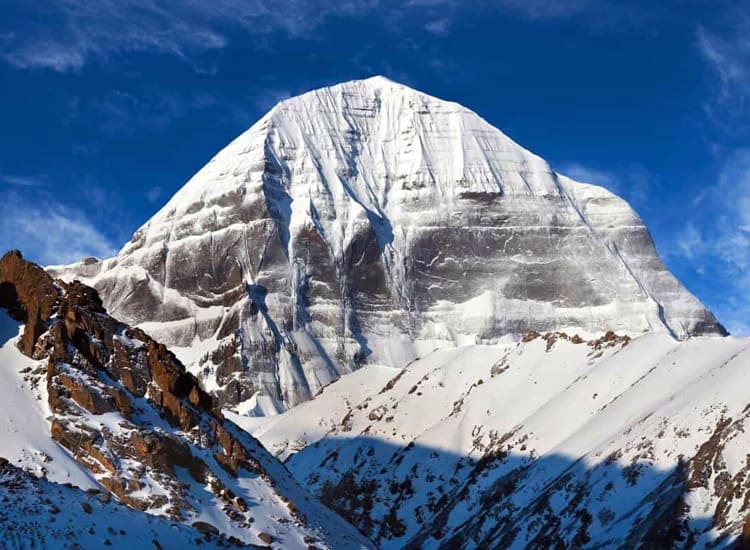
In the year 1996, we were planning to go on a trip to Australia and New Zealand. But suddenly in January, I saw and read an advertisement on TV and later in the newspaper inviting applications for the Kailash Mansarovar Yatra by the Indian government. Since childhood, I had a deep fascination with Mount Kailash. So, after undergoing a physical examination by a doctor and completing a certificate of physical fitness, I filled in the application for both of us. The total journey was 40 days and the cost was 36 thousand rupees each. Then on June 18, I received a telegram saying that we had been selected for the Kailash-Manas Yatra. Please fulfill the following things. But only my name was approved. There was no mention of Sharmishtha. We wanted to go as a pair, and the approval came for me alone! I immediately called a friend in Delhi and requested him to go to the Ministry of External Affairs and inquire. In a short time, a telegram of approval also came in Sharmishtha’s name. We were selected for the sixth batch and were to appear in Delhi on July 6.
The preparations for the journey began with great enthusiasm. We had no information about the journey. An information booklet had come from the Government of India regarding the preparations. It had detailed instructions on the distance between two stops, travel information, medicines to be taken along on the journey, other necessary items, clothes, snacks and how to pack. Also, before going to Delhi, all the necessary information like various medical tests and stress test reports were prepared. An acquaintance of ours, Mr. Eknath Kotkar, had done this journey two years ago. Therefore, we also took his guidance.
We bought trekking shoes, military bags, smoke goggles, windcheaters, cameras, etc. at the Deolali Camp, a military camp near Nashik. We had traveled abroad before. But there was a big difference between traveling to other countries and the Kailash Yatra.
In the past, my grandparents used to perform their own Dashakriya rituals in their own village before going on the Kashi pilgrimage. I remember hearing this from old people. Because at that time, there was no guarantee that a person who went on the Kashi pilgrimage would return alive and safe. Some well-wishers among my acquaintances, who were descendants of the same ideology, had made a practical and loving suggestion that we should make our will before going on the Kailash-Manas pilgrimage! But we had complete trust in Bholenath and our strong morale. Being aware of our immense willpower, we did not listen to anyone… But since I was feeling some unknown anxiety and fear in my heart, I did not tell anyone much about the fact that I was going on the Kailash-Manas pilgrimage. There were two practical reasons behind that. One was that I should not have any emotional opposition from my family and the second was that I should not worry about anyone unnecessarily!
Lord Shiva! Lord of Gods, Lord Mahadev! The great source of power of all living beings, without expecting the nectar that came out of the churning of the ocean, the cup of poison that no one shares, was in my heart since childhood. Everything takes time and nothing can happen without the will of God and His inspiration. The Kailash Mansarovar Yatra gave me the experience that fully realized this, the experience that made my life worthwhile.
On July 6, 1996, my wife Sharmishtha and I reached Delhi in the morning for the Kailash Manas Yatra. We had all been accommodated in the Ashok Yatri Niwas hotel. On the 6th, at 9 am, all the pilgrims gathered at the Ministry of External Affairs, Government of India, in Delhi. Ajit Gupte, Under Secretary, was the main guide for the yatra. First, everyone was introduced. Gupte gave complete information about the yatra. He raised the morale of the pilgrims by telling them all the difficulties, dangers and precautions to be taken. After that, everyone was sent to the Indo-Tibetan Border Police Hospital for a medical check-up. After going there, all the medical certificates and test reports are checked by the medical officer while leaving home or if necessary, they are made to undergo tests. The doctor also gives an idea of the difficulties of the journey of the yatra and makes sure of your willpower and morale along with your physical capabilities. A total of 42 of us went for the medical check-up, but seven of them were found to be unfit for the journey and were refused permission to travel. Since medical fitness is a very important matter, there is no room for compromise.
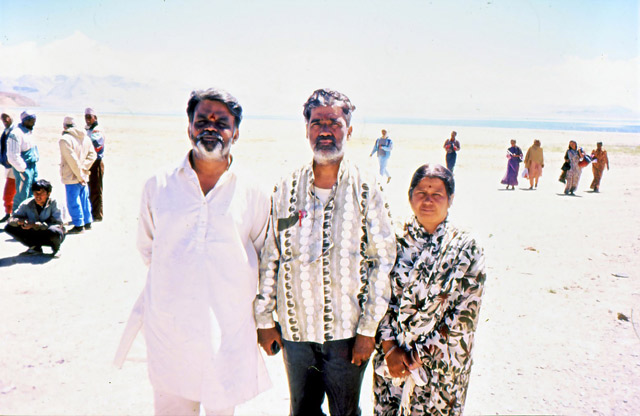
Seven people from our group went back in anger and disappointment. A woman from Gujarat even sat on a dharna with the doctors and said, “Even if I die during the Kailash Manas Yatra, let me go!” But there is no compromise on this. The true importance of this is felt during the actual Yatra. By the will of Lord Shiva, we both passed the medical fitness test. The next day, the group of 35 people going on the Yatra gathered again at the Ministry of External Affairs for further guidance from Ajit Gupte. There, various committees of the pilgrims were formed. Food Committee, Medical Committee, Luggage Committee, etc. This Yatra passes through two countries, India and China. That is, the actual Kailash mountain and Manasarovar are in Tibet, China. In India, the entire arrangement for food, drink, and accommodation during this journey is made excellently through the Kumaon Mandal Vikas Nigam. But during the journey in China, that is, for almost eight days of Kailash Parikrama and Mansarovar Parikrama, we have to arrange our own food and drink. For this, we need all the necessary food, cooking utensils, rice, etc. They have to be taken from Delhi itself. The Food Committee also arranges for its purchase. Even though everyone has taken their own personal medicines, the Medical Committee takes some such medicines for everyone. The Luggage Committee takes care of whether everyone’s luggage is properly packed, its weight, etc. That is, all these things are taken care of before the actual start. All these things were done on the 8th. Passports and other forms were given to get a Chinese visa. The visa was obtained on the 9th. And dollars were taken from the State Bank. Because in China, you have to pay for all the amenities provided by that government for the pilgrims and some money is required for the journey in China. Like money is required for horsemen, yaks and other personal expenses.
Everything went smoothly and now only Kailash… the darshan of Lord Shiva ! Everyone was excited about the actual journey!
The journey began at 4 am in a comfortable KMVN bus after performing aarti in front of the Ganpati idol at the ‘Hotel Ashok Yatri Niwas’. Breakfast was had at the KMVN rest house on the way in the morning. There is a village called Rampur near Moradabad, where the Gupta family has previously visited Kailash Mansarovar Yatra. The Gupta family provides breakfast and snacks to all those going on this Yatra. They welcome all the pilgrims by garlanding them with flowers. They are very much filled with the feeling that serving the pilgrims is a great virtue. They had lunch in Bhowali in the afternoon and stayed in Almora for the night. The journey from Delhi to Almora was four hundred and eight kilometers. It was raining heavily. After leaving Delhi, the difference in altitude, air and temperature started to be felt. The first day was a bus journey of about twelve to fourteen hours, with Nainital being a little further ahead of Bhowali.
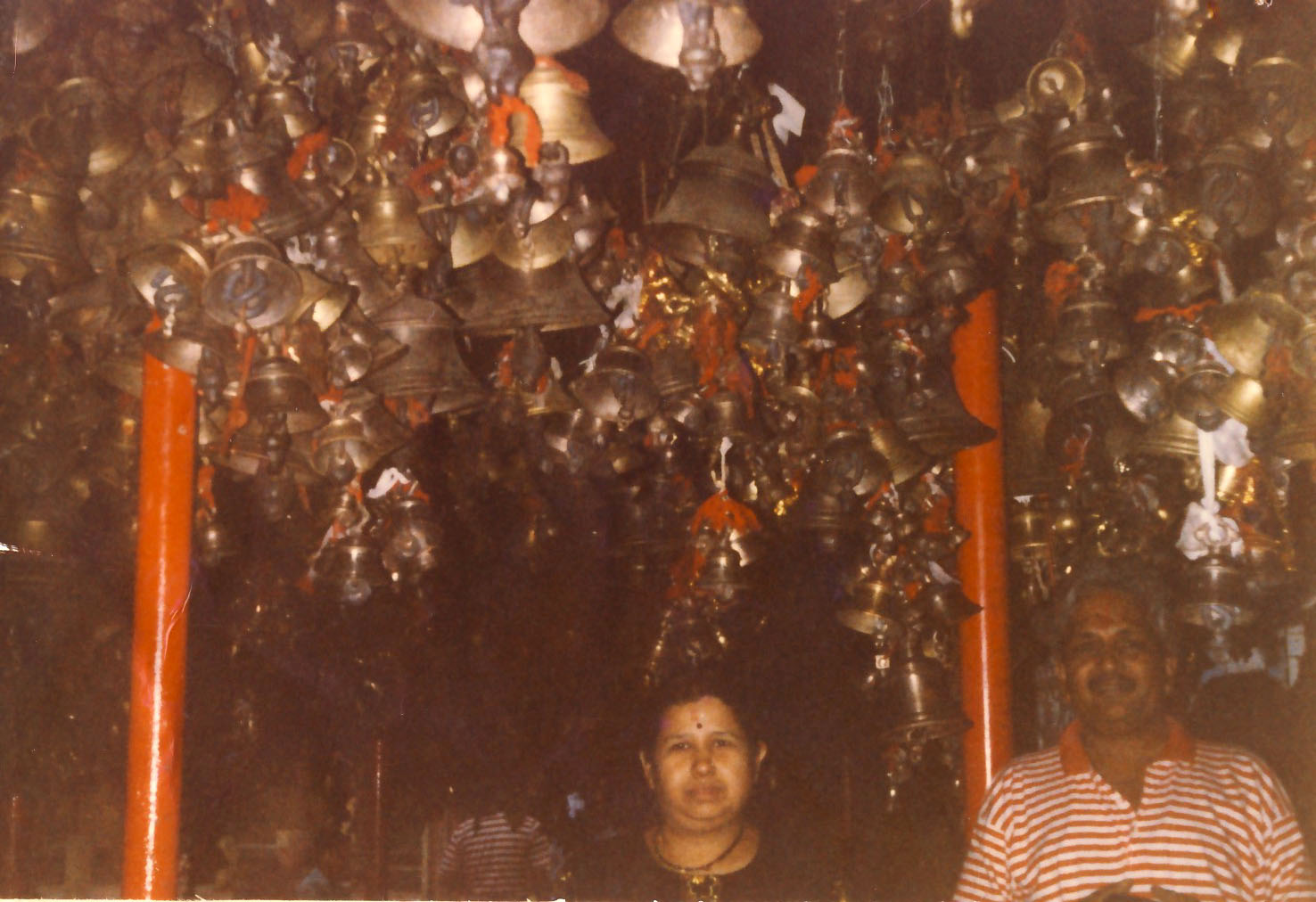
After breakfast in the morning, we had to take a bus journey of 212 kilometers from Almora to Dharchula. A little further on, we came across a temple of the hill people. We had a darshan of the Golu deity here. This deity fulfills our wishes and when the wish is fulfilled, bells are made there; thousands of such bells were made here. The journey through the entire Himalayan ghats, the rain outside, the cover of clouds, many times we were going up and down, the picturesque view of greenery and nature was something we could not keep in our eyes and did not want to. The last leg of the journey was along the river bank, India on the one side and Nepal on the other. We reached Dharchula at four in the evening. We were welcomed by a gentle rain.
There was a lot of cold in the air. It is two thousand twenty feet above sea level. The water of the Kaliganga river has a lot of pull and noise. To cross the river to enter Nepal, we went there and bought a lot. Dharchula camp, two big halls, one for male pilgrims and the other for female pilgrims. There were 21 men and 14 women in our group of 35. There were only four couples. That is, ten other women had come for the pilgrimage alone. We admired their courage and we felt a little braver. The oldest was a 62-year-old female pilgrim and the youngest was a 23-year-old college student. Everyone else was between the ages of 35 and 50. Eight from Maharashtra, ten from Gujarat, one from Rajasthan, seven from Tamil Nadu, three from Bengal, one from Punjab, three from Delhi, and one from Karnataka. National integration is achieved in this way. No matter who they are, everyone had come for the pilgrimage with the same goal. We had dinner and went to bed.
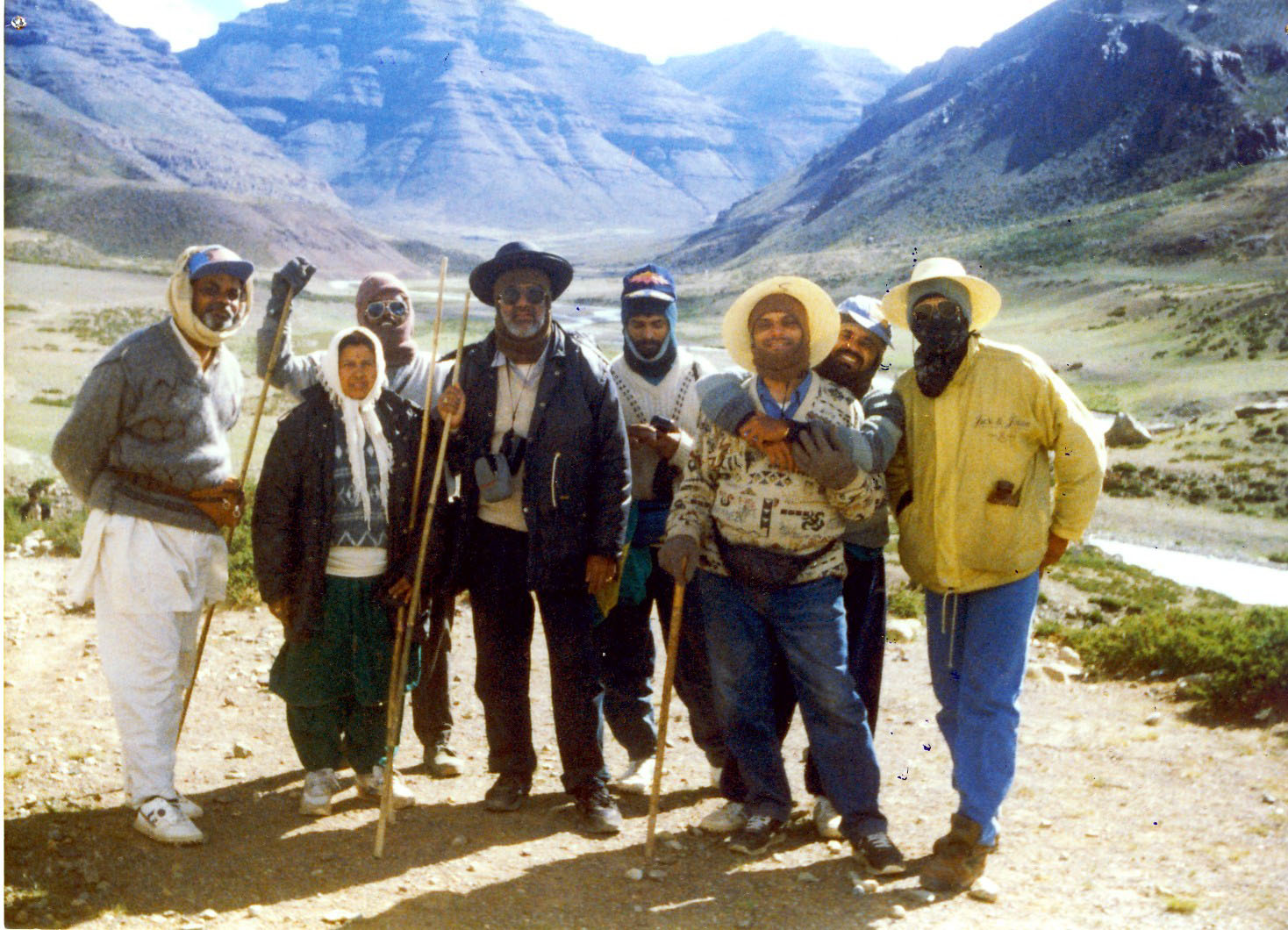
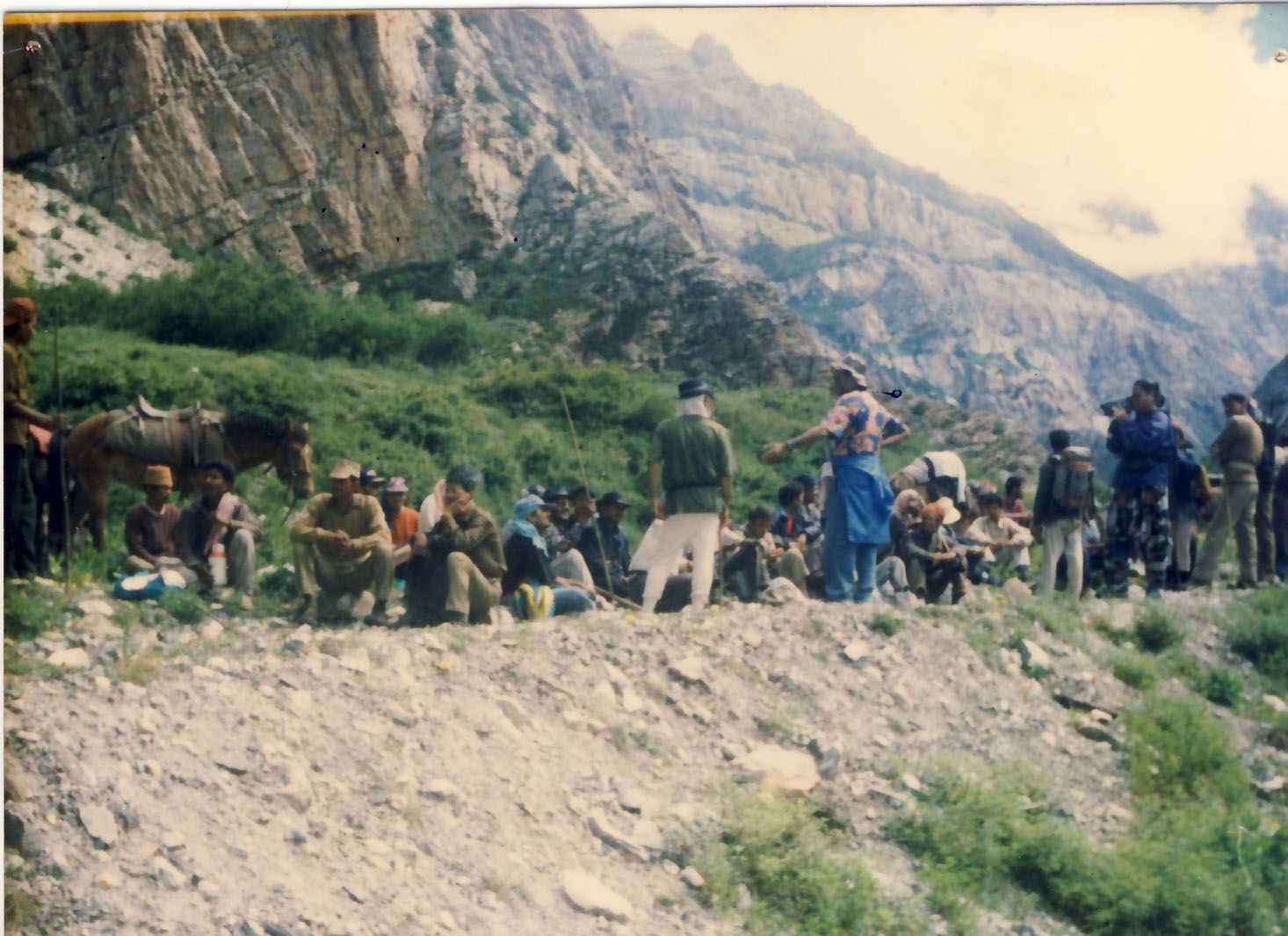
The journey began after breakfast in the morning. The bus was a 19-kilometer journey from Dharchula to Tawa Ghat. But due to a landslide on the road, the buses stopped on the way. We walked a lot in the rain and a little by jeep. After the road to Tawaghat ended, the entire journey was on foot. We were supposed to reach Tawaghat at nine in the morning, but it was two o’clock. The real idea of the journey had now begun to dawn on us. The river is joined by small streams and rivulets. Snow-white water, many waterfalls are visible on the road. There is no electricity from here onwards. We saw a flour mill using the speed of the spring water flowing at a great speed on the road. Here are the mills of this type.
From Dharchula, the Government of India has sent PRD to help us with our pilgrims. That is, like the SRPs we have; four soldiers carrying weapons, two wireless sets in front and one behind. A doctor and an assistant, a representative from the Ministry of External Affairs, a guide from KMVN. Also, a very high-ranking government official is sent with each batch from Delhi as a liaison officer and under his leadership, this batch completes the yatra. To Dharchula, we need to take horses for the journey, porters for help, and saddles for walking. Many people who find it difficult to travel on foot use horses. But you must take a porter. After leaving Dharchula, you cannot find horses, porters, or saddles anywhere on the road.
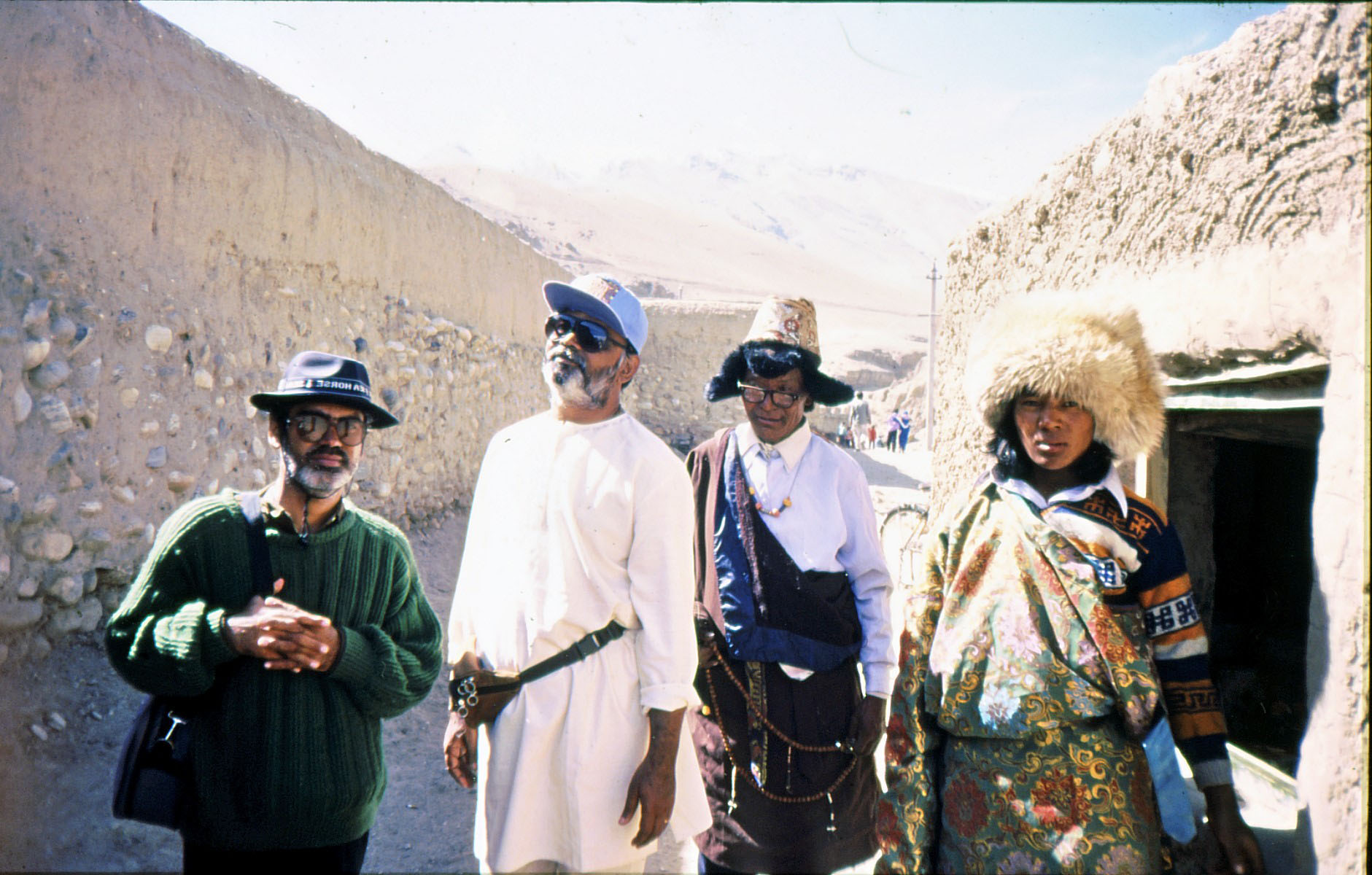
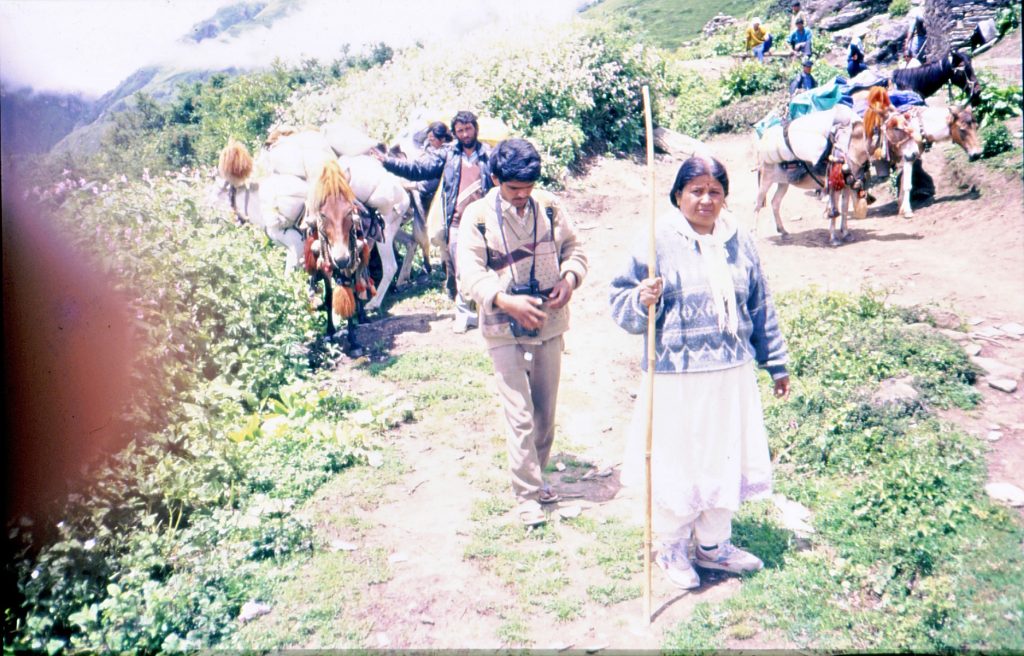
Tawaghat is at an altitude of three thousand feet, the vehicle journey ends here. From there, the entire journey on foot. This first day of the journey on foot is the test of the entire journey, the distance from Tawaghat to Pangu is ten kilometers. The first seven and a half kilometers of it is a very difficult climb. Pangu is at an altitude of seven thousand four hundred feet, so the seven and a half kilometer climb would reach an altitude of four thousand four hundred feet. There is a winding path along the belly of the mountain. The entire road is made of stones, there are no steps. If you think about the climb, it is approximately six thousand! Yes. You would climb six thousand steps to go up. The first journey on foot on the first day, this is called the Thanedhar climb. It is said that whoever climbs this climb will not mind going on the next journey. On one side is a valley thousands of feet deep and on the other side is a mountain thousands of feet high. You never know when you will feel dizzy, so you don’t look around while walking. Not at all towards the valley. You would just chant ‘Om Namah Shivaya’ with every step. The only thing you care about is that you are going for his darshan. We both had horses. We had been porters. Who here is used to riding a horse! I had only had as much experience of riding a horse in my life as I had been in a wedding procession; my wife had none. I was afraid of walking on such a narrow road. I didn’t dare to ride a horse there. I got out of breath in the first fifteen minutes of walking. Then I had to take sips of water with electrolyte added to relieve the exertion. Sweaty, cold air outside, a raincoat on my body because it might rain at any moment, earmuffs to avoid the cold air, a pair of socks on my feet and trekking shoes that I had never worn in my life. Having not been able to reach the top without sitting down four times while climbing the fort of Vani, we started climbing six thousand steps on the first day, wearing so many clothes and shoes on our feet. Everyone was in the same situation with slight differences. Then on foot for a while, on horse for a while, on foot because I was afraid of riding a horse. Since I can’t ride, I’m back on the horse; doing the same exercise, chanting the name of Lord Shankar, how I climbed to the very end is up to Lord Shankar.
When we reached the top, we got tea in the hut. At that time, tea seemed like a better drink than nectar. The next two and a half kilometers was mostly flat. However, we completed it on foot. It was evening. When we reached Pangul, we were convinced that we were alive today.
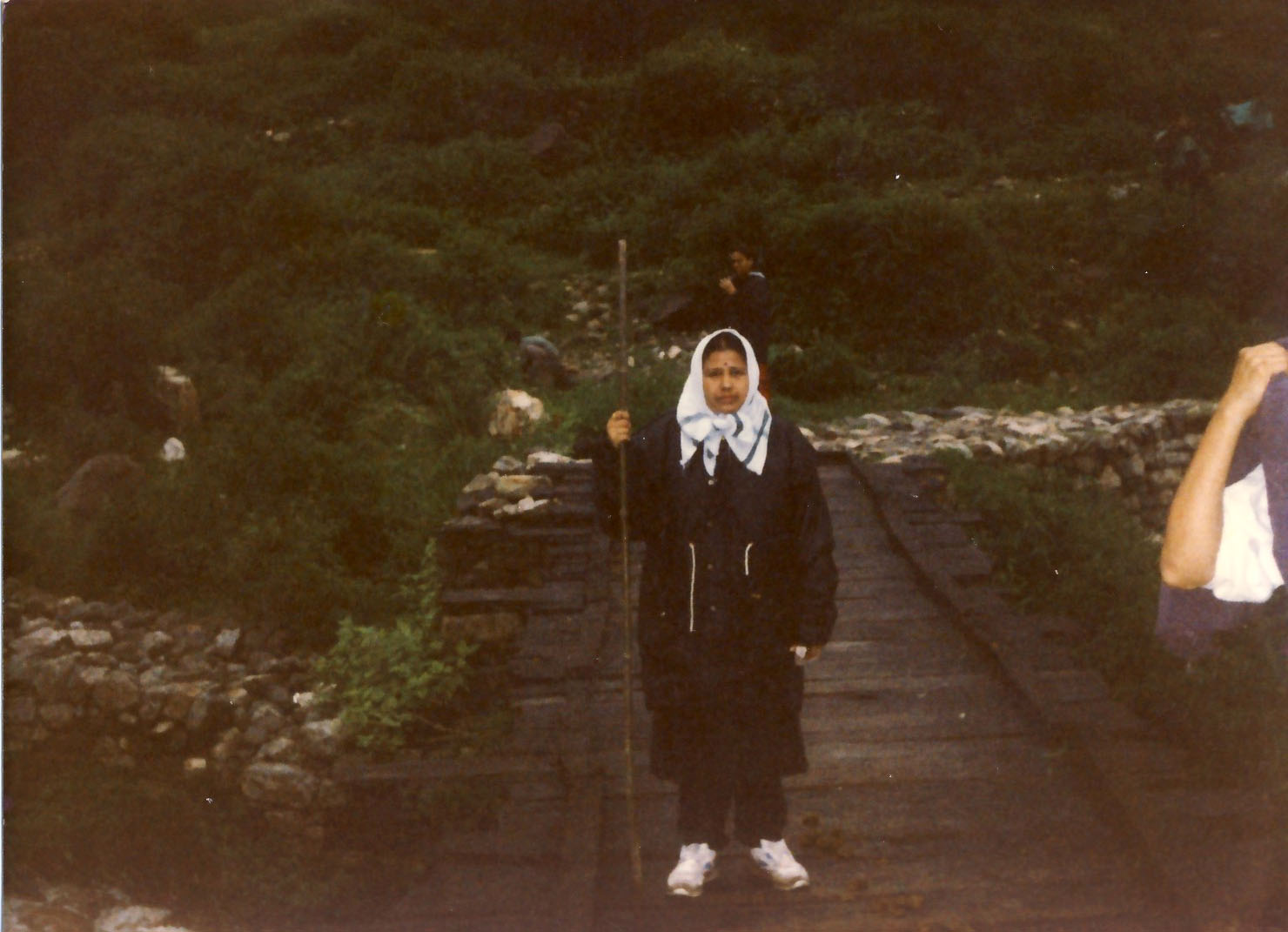
After waking up early in the morning and having tea, the journey began. Laziness does not work. We do not want to leave a little late. We do not want to get bored. While sleeping at night, the liaison officer and the KMVN guide would give us complete information about the next day’s journey, the ups and downs, how difficult the road is, how long it will take, and based on that, when to start the journey in the morning. In the same way, everyone would start the next day’s journey, and our horsemen and porters would also guide us a lot.
Our journey today was from Pangu to Sirkha, a total distance of ten kilometers, from 7400 feet to 8450 feet, but this journey was initially a descent of 1500 feet and then 900 feet. After leaving Pangu, a beautiful waterfall appeared. That too, work was going on to build a bridge on the Himkhaul river bed. But we had to cross the river through that bed. At this time, the PRD jawans helped a lot, especially the women. From here, there was a road to Narayan Ashram. This is a very beautiful and delightful ‘ashram’. Infinite types of flowers adorn the ashram. This ashram was established by Narayan Swami about fifty years ago. There, Mataji gave the first information about the ashram and now the Swami is there, he explained the importance of the Kailash Yatra. All the pilgrims got refreshments there. Cold sweet water, refreshments and listening to the Swami’s spiritual words, all the hard work was done. Mica deposits were seen on the road, but the government has not allowed mining in this area. Later, we reached Sirkha. After dinner and rest, we got to see the beauty and the concealment of the clouds in the evening. From here, we saw the snow-capped peaks for the first time. These peaks were hiding behind the clouds, just like a small child looking at us from behind a door and hiding behind the door as soon as our attention was drawn to them. There are very small settlements around. Two small girls in them entertained the pilgrims with mountain songs.
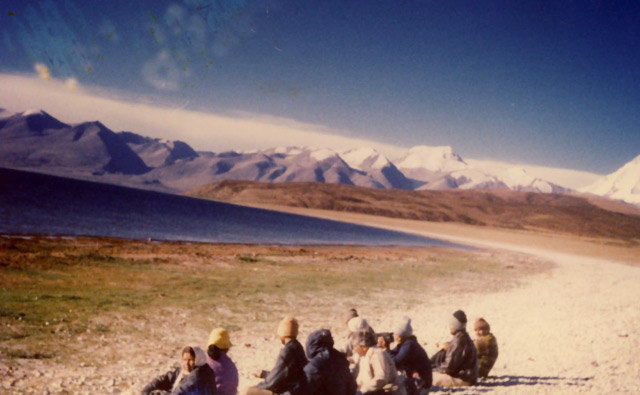
Sixteen kilometer journey from Sirkha to Gala. Initially a downhill road and then a steep climb. Rungling Top at an altitude of ten thousand feet. The entire journey was through dense forests. It had rained. The road was muddy, dry wet leaves, the road was slippery due to rain. Very beautiful natural beauty, the chirping of birds, the journey up and down was tiring, but the pleasant proximity of nature did not make me feel tired at all. Huge waterfalls of water. The water flow coming from a height with a roaring sound.
The water was so white and icy that it hurt his eyes. Tall trees. Today’s journey felt like a picnic. But there was no time to stop; because we had to reach the next camp. Both uphill and downhill journeys. One thing I noticed was that downhill is more tiring and dangerous than uphill. It hurts my knees a lot. Small tea shops started on the road. The government funded them. During the three months of the pilgrimage, these shops are run only to serve the pilgrims. They serve tea along with chickpeas and dried potato. At such places, we would sit and rest for a while and stop for the people coming behind. In that environment, this snack is a delicacy.
The distance from Gala to Malpa is 11 kilometers. It was a completely downhill journey. At an altitude of 6625 feet, the road from Gala to Jipti-Bindabutti is almost straight. However, further to Lakhanpur, you have to descend 4444 steps. This was a very difficult journey. It is very difficult to descend the steps. You always fear falling. Your knees are very sore. You cannot ride a horse anywhere on the downhill. Therefore, you have to travel on foot. You can see Kali Ganga in Lakhanpur. The next journey is along the banks of this river. The sound of the water coming at a high speed is deafening. You are afraid of the sound, but you also have the courage. The monstrous and violent form of nature. You see it for the first time. Travel on a very narrow road. Narrow means you can only put your foot on it. You have to pass under the waterfalls of Chhata and Najang. On the small path, the cold water of ice comes with small stones. Water below. We are traveling in such a difficult and dangerous situation. At such times, we remember God. We continue our journey by chanting His name. There is no connection with the world, no contact, only us and ourselves in this vast nature. It had been raining since morning. Now we had become so accustomed to this rain that we had become afraid of it. It was bound to happen. The rain water from above, the raincoat and the exertion of walking caused huge streams of sweat. What was the cold wind? Then, even remembering this, my body shivers. We reached Malpa’s camp in the afternoon. Wet, wet feet, socks, wet hands, wet clothes; I feel like we will get rid of it someday. Malpa’s camp is on the banks of the Kaliganga river. The deafening sound of that water accompanies us day and night. When it got hot at four in the afternoon, we woke everyone up and put our clothes on to dry. Today was the first time I saw it so beautiful. What was the program in the evening? We bought wood from Malpa village and made a campfire. The real benefit of this was for drying shoes. They all dried their shoes. Songs, jokes, everything happened. It was the wedding anniversary of Mr. and Mrs. Shinde, a doctor from Mumbai who came with us; it was celebrated at this same Malpa camp. Two years later, in 1998, a landslide on the Kaliganga river blocked the flow of water, creating a dam and the backwater swept away Malpa’s camp with about 200 pilgrims, horses, and all their belongings. Though disasters like this rarely happens, dancer and actor Pratima Bedi lost her life in this mishap.
We had to travel twelve kilometers from Malpa to Budhi. It was a 2,500-foot climb from 6,625 feet to 9,000 feet. It had been raining all night. We left in the morning. It was a nice sunny day. After going a little further, we came to know that the road was almost closed due to a landslide. The overnight rain had made the landslide very muddy. There was a camp of ITBP jawans at Malpa; two of them ran to help us. The path was knee-deep in mud, and the Kaliganga river was flowing at a high speed below. How could we cross the road? The ITBP jawans held each pilgrim on both sides (like the way they do when bringing a child who has skipped school) and bent their knees in the air and made the difficult crossing. We walked through the mud. At any moment, we could have slipped and fallen into the Ganges. They even made the women cross the road by making them sit on their backs. Those two ITBP soldiers felt like messengers of God to us. Without their help, we could not have crossed the road. We washed our feet in the water of the next waterfall. There are small trees on the side of the road. One of them is a type of scorpion grass, and if you touch its leaves, you feel the pain of a scorpion bite. You have to be very careful with it. There was another small tree next to that tree. If you apply the juice of its leaves to the painful area, the pain subsides. What is special is that these two types of trees are always in pairs. Oh my God! There is also a painkiller tree near the pain tree. Landslides always happen in the Himalayas. Some people in our group had gone a little ahead and some people were behind. What was God’s sign? Suddenly my attention shifted to the mountains. At that moment, a landslide started happening. That is, even if I had gone ahead for half a minute, stones and mud would have fallen on me under that landslide and God only knows what would have happened to me! I was saved because I stopped suddenly. I actually shot a video of that landslide in Tewardha. I have captured that incident on my camera and have preserved that time and place as a memory for life.
Many things happened during today’s journey. A stone from above hit Rajneesh, a woman pilgrim from Mumbai. Her head was crushed and she was about to fall into the river when the horseman grabbed her hand and pulled her, saving her life. She was given first aid. She was taken to the next camp on a stretcher. Except for this one accident, the entire journey of our batch passed off safely. Budhi’s camp is very beautiful.
There are many flowers and all these flowers welcome the pilgrims. There is a semicircular tent made of fiber for women and two rooms for men. From there too, there is a very beautiful view of the snow-covered pictures. Everyone was sad due to the accident. While going up from Budhi, the camp is visible in front; but it is not. In reality, it is very far. You have to walk to the bridge and then again. A complete U-turn; that is, you see something and have to climb something.
We had to cover a distance of seventeen kilometers from Budhi to Gunji. We left Rajniben at Budhi at 11,500 feet from 9,000 feet. After leaving Budhi’s camp, a huge climb begins in a short time. After climbing up to the Chhialekh top, we see a huge waterfall coming from a very high place on the Nepal side. Its name is Afika Jharna. Every drop of white water looks like a crystal. It is a very beautiful view through binoculars. Later, we enter the open field of flowers. We enter the Vyas Valley. Now we get so used to this road, weather, difficult and difficult things that we are not afraid of anything. To reach Gunji, we have to go ahead and cross the river and come back from Gunji village. Although these small settlements in the Himalayas are such a generous gift of nature, we still saw flower pots on the roofs of these small houses. We saw a very large number of various flowers on today’s journey. Gunji has an ITBT camp. Semicircular tents made of fiber. There is a road from Gunji to Chhota Kailash. There is a State Bank branch in the military camp of Gunji. It is famous for being the highest and most remote branch.
The first medical check-up was done in Delhi. This was the first exam and only after passing it did I get the opportunity to travel. But it had been eight days since I left Delhi. I had reached 11,500 feet. How was my health in these eight days and especially what was the difference in my blood pressure and heart rate; I was being checked again to see if I was physically fit to do the next journey. But today, everyone was tense because if I was found unfit in today’s medical test, I would be sent back home. There is no compromise in that. In the evening, while going to the military camp for the medical check-up, my chest was pounding. But by the grace of Lord Shiva, no one in our batch was found unfit. Everyone was fit to go on the next journey. Poor Rajniben had reached Budhi and was staying at Budhi’s camp only by accident even after a tough seven-day journey. It must be said that she was not lucky enough to have the darshan of Lord Shiva. At night, the soldiers made a campfire to entertain the pilgrims. Everyone was overwhelmed by their love. The four PRD soldiers, the doctor and his assistant, the two sets of guides, etc., who were accompanying the pilgrims till Gunji, all stopped at Gunji. Because from Gunji onwards, the next pilgrimage was with the help of the military. The military soldiers, doctors, wireless came with us, took the next batch back, and the convoy then went back to Dharchula.
Gunji to Kalapani was a ten-kilometer straight journey. Now that we are at a very high altitude, there are no big trees; no forest. Small, small, thorny plants, bushes, flowers, rugged mountains, a bleak environment, a different form of nature, traveling along the banks of Kaliganga, no settlements, no hotels, nothing. The IPT soldiers served tea. Somewhere far away, white snow, a view of glaciers. The water flow coming from under a mountain is considered the source of Kaliganga. A cave is seen high up in the cliff of a mountain. It is believed that sage Vyas performed penance there. When we reach Kalapani, a temple is built at the beginning. Built by the soldiers and they are the ones taking care of it. The water source is from under the temple. That rugged environment is a very beautiful view. A military helicopter had crashed there. Everyone survived. Since no one was injured, a temple was built there out of faith in God. The crashed helicopter can still be seen today.
The nine-kilometer journey from Kalapani to Navidang involves going from 11,050 feet to 13,010 feet. Not a very difficult road. Open ground. Great excitement for today’s journey. Because we would be witnessing the miracles of God. The air is clean, light breeze, no rain. Truly lucky! A view of Om mountain. There are such natural crevices on a high mountain that when snow accumulates, its shape looks like Om. With the crescent moon and the timba at the very top. It looks very beautiful through binoculars. Since it is a very long distance with the naked eye, it is not very clear. It comes and goes like clouds and Om is hidden behind the clouds.
As a tribute to our ancestors, we had a clear, complete and almost day-long vision of Om. The Navidang camp is at the foot of the mountain, and we had a vision of Om until evening. We slept early at night because we had to wake up early tomorrow morning and enter China. All the photo rolls, video cassettes, etc. taken so far were left here. When going to China, only blank rolls can be taken.
In China, the camps around the Kailash Parikrama and the Manas Sarovar Parikrama have accommodation facilities for fifteen to seventeen people, so our pilgrims are divided into two groups. One group goes to the Kailash Parikrama while the other group goes to the Manas Parikrama and then there is an exchange from Kailash to Manas and from Manas to Kailash. During the pilgrimage in India, the Indian government takes great care of its pilgrims. There is medical help and everything; but in China, there is no such facility. It is very difficult to get special medical help. When the pilgrims are selected in Delhi, it is strictly observed that at least two to four pilgrims in each batch are doctors. Because these doctor fellow pilgrims are the only ones who can provide medical help.
So, while leaving Delhi, we would have taken extra medicines, bandages, etc. In this way, we were divided into two groups at Navidang. In our group was the Shinde family of doctors and in the other group was Dr. Parikh. Both of them were close friends. They had come on the condition of travelling together but they had to endure separation just to help the pilgrims. The doctors were of great help to all of us pilgrims.
Journey from Navidang to Lipulekh border to Taklakot. We woke up at 3:30 in the morning and the entire group left in one line at 4 o’clock. Today’s journey was the toughest journey so far. We walked in the dark in the morning, almost by battery light. We had to go from Navidang at 13,800 feet to Lipulekh at 17,500 feet, that is, at an altitude of 3,700 feet. It had started raining as soon as we left. Journey in the dark, the air was thin; oxygen was low. The distance was only seven kilometers. But very difficult. Lipulekh Pass is the border between India and China. There was a lot of snow around, everyone was suffering from that environment. Hands and feet got cold, I started vomiting, my head started to spin.
We left at four in the morning. For Lipulekh. A Jyotiben was doing a barefoot pilgrimage in Gujarat with us. Later, her feet would bleed. She would tie a rope around her feet. Still, she did not give up her resolve. However, during the morning journey, the military personnel forcibly made her sit on a horse. She cannot walk like that; not even barefoot. Otherwise, go back. She made a lot of noise; but they did not listen to anything. Then she had to give up her resolve.
It is a steep climb. Since the military doctors are fully aware of this, the soldiers massage your hands and feet and bring warmth. They give you medicine and most importantly, they give you courage. Rain from above, snow below, heavy clothes on your body. On the border of Asra, our horsemen, porters, military soldiers, doctors, wireless, the entire contingent remains within the territory of India. In China, only the pilgrims and the representative of the Indian government, the liaison officer who came with us from Delhi, enter India after completing the journey from China and another group enters China from India. The exchange of these batches takes place on the India-China border.
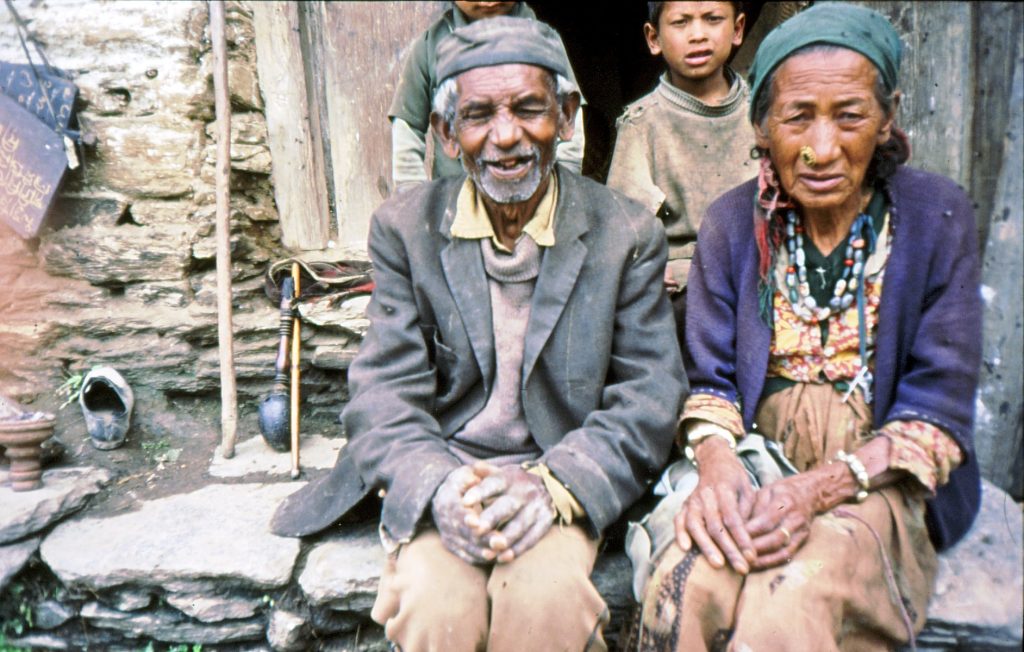
The pilgrims who are coming and going hug each other with great love; they ask each other questions. Is there anyone from Maharashtra among the pilgrims who are returning? Is there anyone from Nashik? When I asked why, I met the pilgrims from Pune. I gave them our home phone number in Nashik and told them to inform Nashik that our journey to the border had been successful.
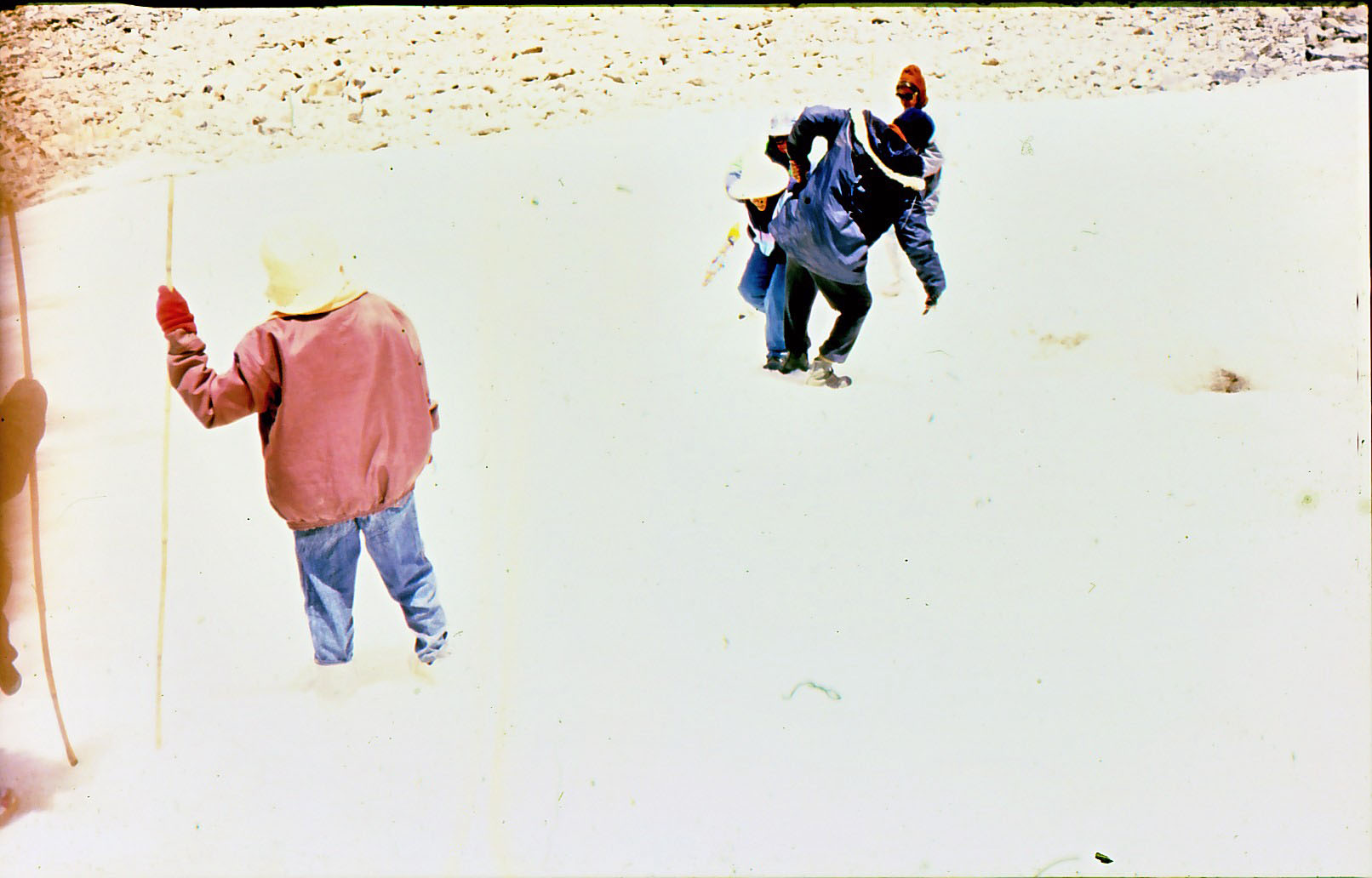
There is a very steep road after entering China. There was an experience of walking on snow, slipping, and falling. After crossing a long steep road, you have to force yourself to sit on Chinese horses. The owner of the horse I sat on was walking comfortably for a long time. The first shock hit me right there. Indian horsemen help you a lot. They walk properly so that you don’t feel scared. They hold one of your bags; take a water bottle. But Chinese horsemen are not at all sociable. After going a short distance, the horse threw me down. Because its bridle was not tied. It escaped and I was crushed to the ground. Others also had a similar experience. After a difficult journey on horseback of about five kilometers, we reached the bus. All our luggage was in an open truck and we, the pilgrims, were in the bus. The road was not like that. Through ditches, rivers, streams, and rocks, the bus tested every bone in the body and finally reached Taklakot. We arrived in Taklakot in a dusty, hot climate. After drinking Chinese tea, having our luggage inspected, our passports stamped, and our cameras inspected, we entered the rooms assigned to us. The guest house in Taklakot is a good one. Five people in each room, hot water to drink, a fifty-year-old-style basket toilet that is probably cleaned only once a year. You can’t enter without holding your nose. They follow their rules, and all other times, with precision. When we reached there, it was past lunch time, so we finished our meal with the snacks we had brought.
Dinner is fruits like berries, lychee, rice soup, etc. It was a good meal. Taklakot is at an altitude of thirteen thousand five hundred feet. But the harsh heat and heavy dust make it difficult. It is a small town. Since it is from there that one can go to Kailash-Manas, there is a market. Many things are available there. Especially, plastic cans are bought here to bring to the pilgrimage of Manas Sarovar. We wandered around the market. There is a bank next to the guest house. There is a custom house a little further away. There is a Tibetan guide for both groups. He speaks English and Hindi in a few words.
He was our guide, our friend, our entire communication was through him. From here we could call India. After leaving Delhi, we could call from Dharchula, on the second day of the journey. Then directly on the eleventh day of the journey. For the nine days in between, there was no contact with the world, no newspapers; no TV, no news; no phone. Every morning we had to get up and go for a walk. The only program was to eat and sleep. Vijayamma from Madras, who was with us, called her mother. She kept talking ‘Amma Amma’ from here and ‘Vijaya Vijaya’ from there for three full minutes. Because they didn’t know what to say to each other. Almost everyone had the same situation.
Taklakot. Today is a relaxing day. Today I took dollars from the bank and got Chinese yuan. Four rupees and fifty paise is one yuan. There is no scope for spending here; but I need Chinese currency to pay the yaks and horsemen later. Today is another chaos in the market. Today was the official ceremony of the Chinese government to commemorate the Chinese annexation of Tibet. There were also other cultural programs. There were very few Tibetans at this program. There was a huge contingent of Panchami police.
We woke up early in the morning and set off on our journey. The bus journey started in the dark. Carrying our luggage and a stick, the bus left Taklakot. The bus stopped at dawn. When we got down, we saw the snow-capped peaks of the Guru-Mandhata mountain range sparkling in the sunrise light, a very intriguing view. The journey continued like this, through rocky terrain, through rivers, along paths without any real roads. While traveling along the road, everything was very rough, barren, like a desert, somewhere there was a settlement of two or four houses, a few trees and agriculture nearby, otherwise it was desert everywhere. So much dust that one could not breathe without wearing a white mask (like the ones doctors wear during an operation) over one’s nose. Intense heat, dust but also cold.
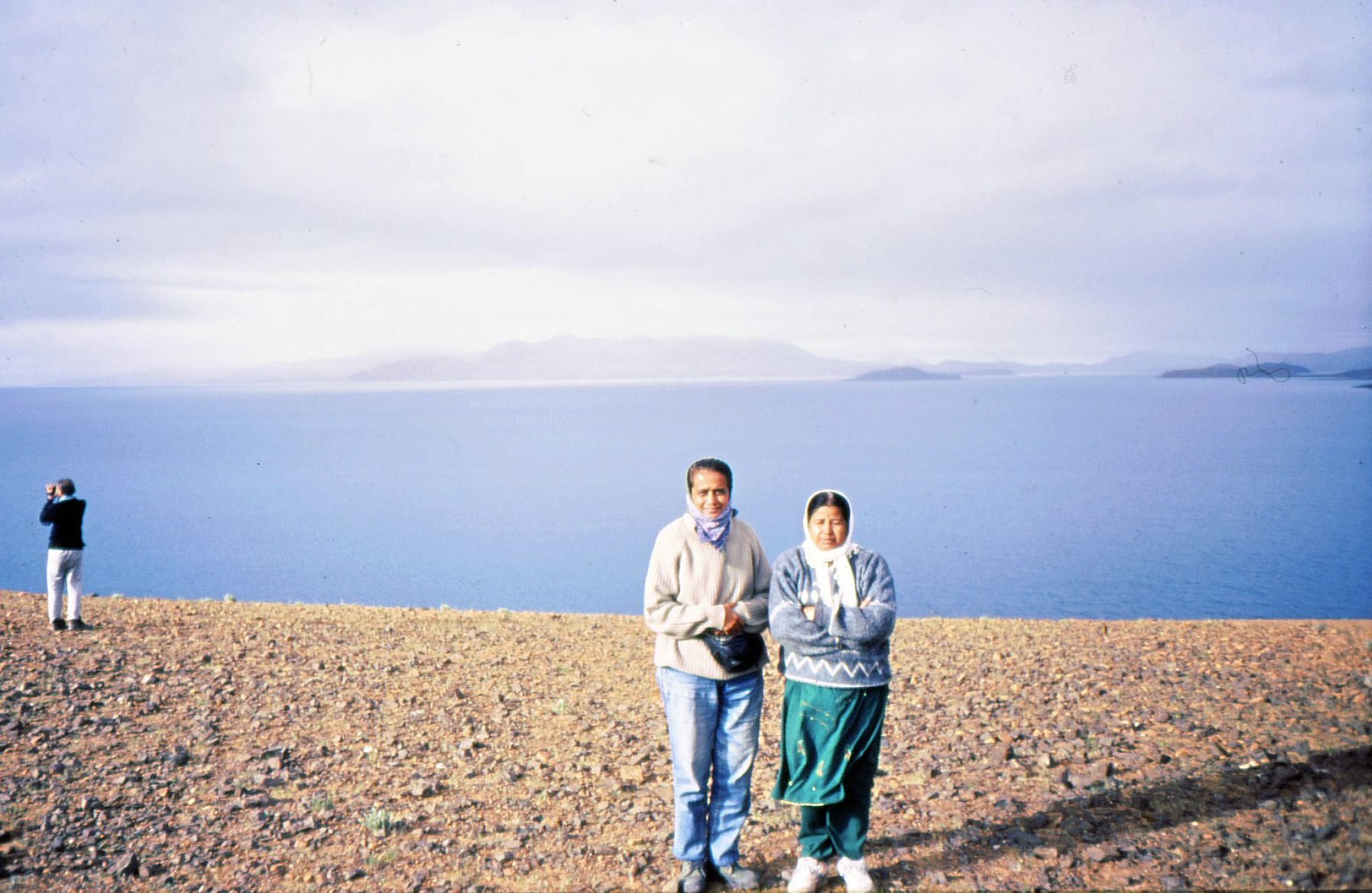
After crossing the Gurla Pass at 16200 feet, the first sight we saw was the Rakshattal Lake. Our bus stopped here. We went to the banks of the Rakshattal Lake but our guide did not let us touch the water. He said that the water was bitter and it was inauspicious to touch it. At this place, Ravana worshipped Lord Shiva. He pleased Lord Shiva by playing his gut veena. When Lord Shiva was pleased, Ravana asked Lord Shiva for permission to lift Mount Kailash to his kingdom, so that Ravana would not have to come so far to have darshan of Lord Shiva. As soon as Ravana tried to lift Mount Kailash with his arms, Lord Shiva pressed Ravana’s head with his big toe and Ravana was thrown away trembling.
Here, demons, asuras, and demons worship Shankar. The circumference of Rakshasatal is one hundred and twenty-two kilometers. The water is calm and dark in color. The Sutlej River originates from the northwest of Rakshasatal. Manas Sarovar is a short distance from Rakshasatal. After seeing it, my eyes started watering. My heart filled up and I thought; What is the merit of seeing the holy Manas Sarovar, for which I had made a vow, with my own eyes in this life? Our bus stopped here for a while. At that time, some people touched the water of Manas Sarovar and took a dip. Later, our bus went to Ho Re camp, where Group B started. We left the Mansarovar Parikrama group and took our group to the Dharchen camp.
Darchen is at an altitude of 17,000 feet. It is like an old-fashioned village. There is a wall (a compound wall made of earth) through which one can enter and go to the camp. We reached in the afternoon. The rooms are for 5-5, 7-7 people. There is no toilet facility. We have to go to the open field. I and the two of us went out to use the toilet. The sky was clear and sunny until we were inside the wall, but as soon as we went beyond the wall, suddenly there was thunder and lightning in the sky and it started raining. Hailstones the size of a good sack started falling. We were very scared. Our clothes got soaked. We ran inside the wall and what was the surprise? It was as if nothing had happened.
Our friend asked us if we had taken a bath in the other stream or something. How did we get wet? So we told him our story. Our Chinese guide, who was standing nearby, said that it was no surprise; it happens. God afraids you and create such situations. He is testing you. From the camp, we looked to see if we could see Mount Kailash, but we couldn’t. However, in front of us was a very panoramic view of the Gurla Mandhata mountain range. Snow-capped peaks everywhere, white clouds hiding, it was a very beautiful and amazing view. At night, for the first time, we, the group, cooked together. We had tea with milkmaid powder. We made rice with precooked rice that we had brought from Delhi. In today’s times, instant food and milk powder are not surprising. Those were not the usual things at that time.
The Chinese government only provides us with a petrol stove and hot water (for cooking and drinking only). That food is just for food; it has no other purpose. The air is very cold. At the same time, a group of pilgrims from a private tour company arrived via Nepal. They had traveled from Kathmandu by jeep for four or five days. Although everyone was wearing heavy clothes, they were shivering with cold. But we were in simple clothes. Those people were very surprised. They asked if you were not bothered by the cold? We told them that since we left Delhi and were walking in stages every day and were travelling at high altitudes every day, our bodies have gradually become accustomed to this environment; so we are not bothered. You have come to such a hostile environment in a very short time by vehicle without doing any physical exertion, and you are bothered.
This is a very important point. There is no danger or trouble in coming to this pilgrimage on behalf of the Government of India. Because this entire pilgrimage is done in stages and your body, mind and willpower become stronger day by day. The pilgrims who come suffer terribly. Some die. Perhaps very few people actually circumambulate Kailash and Manas. They only have darshan from afar. But the main objective of every person in the Government of India pilgrimage is to not only circumambulate but also complete this circumambulation. When I told this experience to my Nepalese friends and when I showed the video shooting of this journey, my friends from Nepal want to participate in this pilgrimage organized by the Government of India from India.
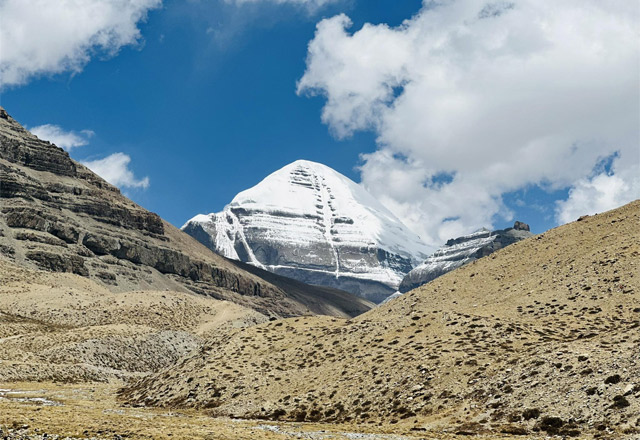
After waking up in the morning at Darchen Camp and having tea, we, a group of 17 people, set out for Kailash Parikrama on foot. After walking for about six kilometers, we reached Yamadwar. It is said that if you go through this gate, you do not fear death, but we had been on such a difficult and arduous journey from the first day of the journey that we could see death before our eyes every day. So, how could we not fear death? Later, we all stopped at the Lhachchu riverbed. We had assumed that animals that walk in the snow and in the highlands were like animals. Those people also came. We had our first sight of Kailash from this Lhachchu riverbed.
Seeing the three-eyed Lord Shankar! This golden moment, after a arduous journey of fourteen days, more than two thousand kilometers from home, this golden moment makes one feel jealous of one’s own luck. Seeing the abode of that Kailash mountain, where Shankar drank the cup of poison released from the churning of the ocean and came to calm the fire in his body, with his own eyes! Today, life has become meaningful. This experience gives us a sense of how great God is and how insignificant we humans are. This yoga is the destiny of very few.
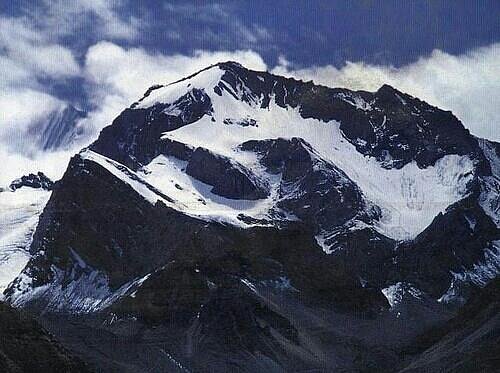
The height of Mount Kailash is 22,100 feet. Its specialty is that all the mountains around it are brown in color. Only Kailash is of a different color than black. High from the base. As if it were a very steep edge. (Like Daulatabad Fort, Devgiri Fort) It is considered to be the shoulder of Lord Shankar. On it is the head and two eyes, eyebrows and the shadow of the eyebrows falling on the eyes. Along with the two eyes, there is a third eye (where women wear tikli). On it is a high forehead, with bangs tilted towards the back. A face shining like white silver. Initially, nothing was visible on the eyes. Gradually, the cloud began to move away and the full form of Shankar began to fill the view.
What a sight. It was hiding in the clouds. Due to the great distance, it is not very clear with the naked eye. A clear form could be seen through the telescope, that too for a short time, after which everything was hidden behind the clouds as if Shankar had appeared for a short time and gone back for penance. The direct sight of the three-eyed Lord Shankar is the greatest virtue in this life. Everything is dull before this. After prostrating ourselves before the Lord and taking Him in our eyes, we started the next round. This form is seen from the northern part.
The path was through the bed of the Lachhu river. At some places we had to cross streams. We were at an altitude of seventeen thousand feet. The road was rough. It was past noon. We were traveling east. We had to mount a yak. A yak is a huge hairy animal like a big, rough wild bull. A very stupid animal. It cannot hold four or five people. Getting on it is a ceremony. Two people had to hold it by the front horns. Two people from behind had to lift us and put us on it. After trying at least three or four times, we could sit on it.
Even if this animal stands straight and straight, we run away from it. Its neck is very short; we have to hold it tightly. Even if there is a slight incline, we move backwards, run away and fall down. Well, once you make these yaks sit, it is as if they have nothing to do with you. Very detached. No matter how much you shout, call, scream, they will not come near you until you fall and hit the ground. These yaks never walk straight. They will leave the road and run away. They will fight with each other and you will sit with your neck tightly up, with your eyes closed, or fall down. Whenever you see grass, the yak will walk towards the grass. Two yaks will keep rubbing against each other. Only if you absolutely have to, you should travel by yak, otherwise walking on foot is the best, safest and least troublesome. But since it is a steep climb, at a very high altitude, there is less oxygen, even walking two steps will make you breathless; so you have to sit on it with no choice. Since we were going from the east, and the road was in the riverbed, it started to get dark soon in the evening. The eastern side of Kailash. Sometimes the mountains are completely black, and sometimes the snow is falling from above, different views. After dark, we reached the camp. Our thighs were starting to hurt after just a short trip on the yak. The trip on the yak is terrifying.
The air was thin and cold. But that bothered us. We somehow ‘cooked’ ourselves at the camp, stuffed two meals into our stomachs, laid our backs on the ground and immediately fell asleep. The first day’s circumambulation was about twenty-two kilometers.
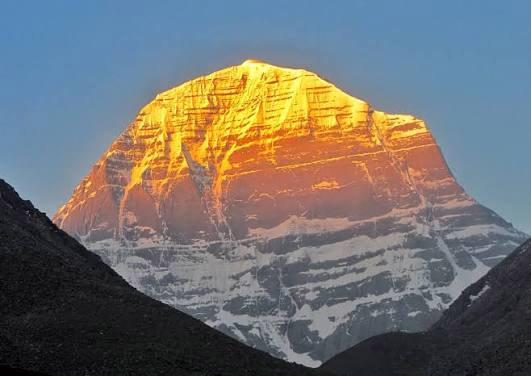
Before sunrise in the morning, when the first rays of sunrise fall on the snow of Mount Kailash, it becomes very golden in color. Some people had a glimpse of that Golden Kailash. It is our misfortune that we could not do it as we were a little late. The second day of Kailash Parikrama and the most difficult day of this entire journey. We have to leave early in the morning and climb the steep ridge. We come to the highest place, Dolma Pass, at 19500 feet of the Parikrama. Making our way through huge rocks and veins, the air is very thin, oxygen is low, and it takes a lot of effort. But this is where the worship and havan of Lord Shiva is performed. There is no temple there. This is generally the south side, behind Kailash, we saw a huge glacier. After waiting for about an hour, we started descending to Dolma Pass.
Nearby is Gaurikund. Icy green water. This is the pond of Goddess Parvati. Here we had to walk on the ice. Ice flows from above and water flows below it. At one place, we had to cross a water gap, caused by ice cracking. But there, our lives were at stake. We had to jump and if our jump was not enough or our feet slipped, we were in fifteen to twenty feet deep water. No one would come to save us. The worship of God was going on. With every breath, ‘Om Namah Shivaya’ was being chanted. Our short journey on the ice passed smoothly without anyone bothering us. After descending the entire mountain, we reached the riverbed in the afternoon. We had breakfast there and continued on our way. We reached at night. During this entire journey, we had no one except the pilgrims and the yakwals. There was a strong wind at night. It was very cold. It was night before we reached Jutulpuk camp. Today’s journey was also about twenty-two kilometers.
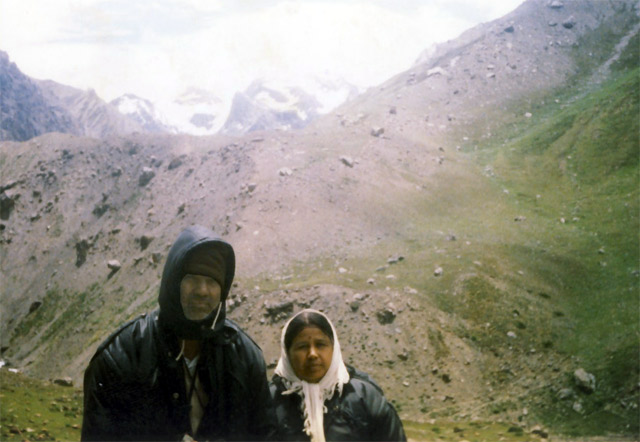
The third and last day of Kailash Parikrama. A total of twelve kilometers of road. Along the banks of the Jongchu River but a little away from Mount Kailash. This is a simple journey on such a road. From the west of Kailash, we returned to Darchen Camp and reached Darchen in the afternoon. Everyone was thanking God for the successful completion of the Kailash Parikrama and hugging each other and sharing the joy. The joy of a journey. All the hard work had been done. Half the journey was successful. After seeing the snow-capped peaks of the Gurla Mandhata mountains, we sat together chatting in the evening. We stayed at Darchen for the night.
Mount Kailash is also called Mount Meru. It is also considered the center of this universe and the entire universe revolves around it. Mount Kailash is considered to be a place that kisses the sky, bright like the rising sun, like smokeless fire, immeasurable and unapproachable. This is evidenced in the thirteenth chapter of the Shiva Purana; as well as in the Skanda Purana, the Ramayana-Mahabharata, as well as in Kalidasa’s Kumarasambhavam and many other religious texts. Tibetans resolve to circumambulate Kailash in a single day and it takes 12 to 17 hours. Tibetans perform this circumambulation even while prostrating themselves. This is physically very difficult; but they believe that they get the feeling of spiritual rebirth while doing this circumambulation. It is considered very auspicious to circumambulate Kailash three or thirteen times. After eleven circumambulations, one is mentally prepared to go to Antarakailash. No one has ever seen or heard of anyone who has gone like this. Four rivers originate from Kailash. So the Indus in the north, the Brahmaputra in the east, the Karnali in the south.
Kailash Manasarovar is located in Tibet. Since 1981, this pilgrimage began after several days of negotiations between the Indian government and China, and since then 14 to 16 batches have been going every year.
After seeing Kailash and traveling through this nature, one thing is definitely realized that how insignificant and small a human being is in relation to this entire universe. The journey makes it seem as if we do not even have our own existence. It is said that one should give up and abandon any of our favorite things on Mount Kailash. An angry and passionate person like me gave it up at that place, but if we really look at it, the journey to this place makes us realize our subtlety so much that we go beyond all anger, resentment, hatred, jealousy, greed.
After completing the Manasarovar Parikrama, an open truck carrying the pilgrims of Group ‘B’ came to Darchen. They were left there and our group came to the camp of Hore for the Manasarovar Parikrama. There was so much dust on the road and the journey in the truck had left our limbs badly bruised. The construction of a military camp of the Chinese government is going on near this camp. Therefore, it is also prohibited to leave the camp. I am afraid that after the completion of this military work, the Chinese government may ban the Manasarovar Parikrama? After reaching the camp, we ran out of food. We stayed in the mud wall camp.
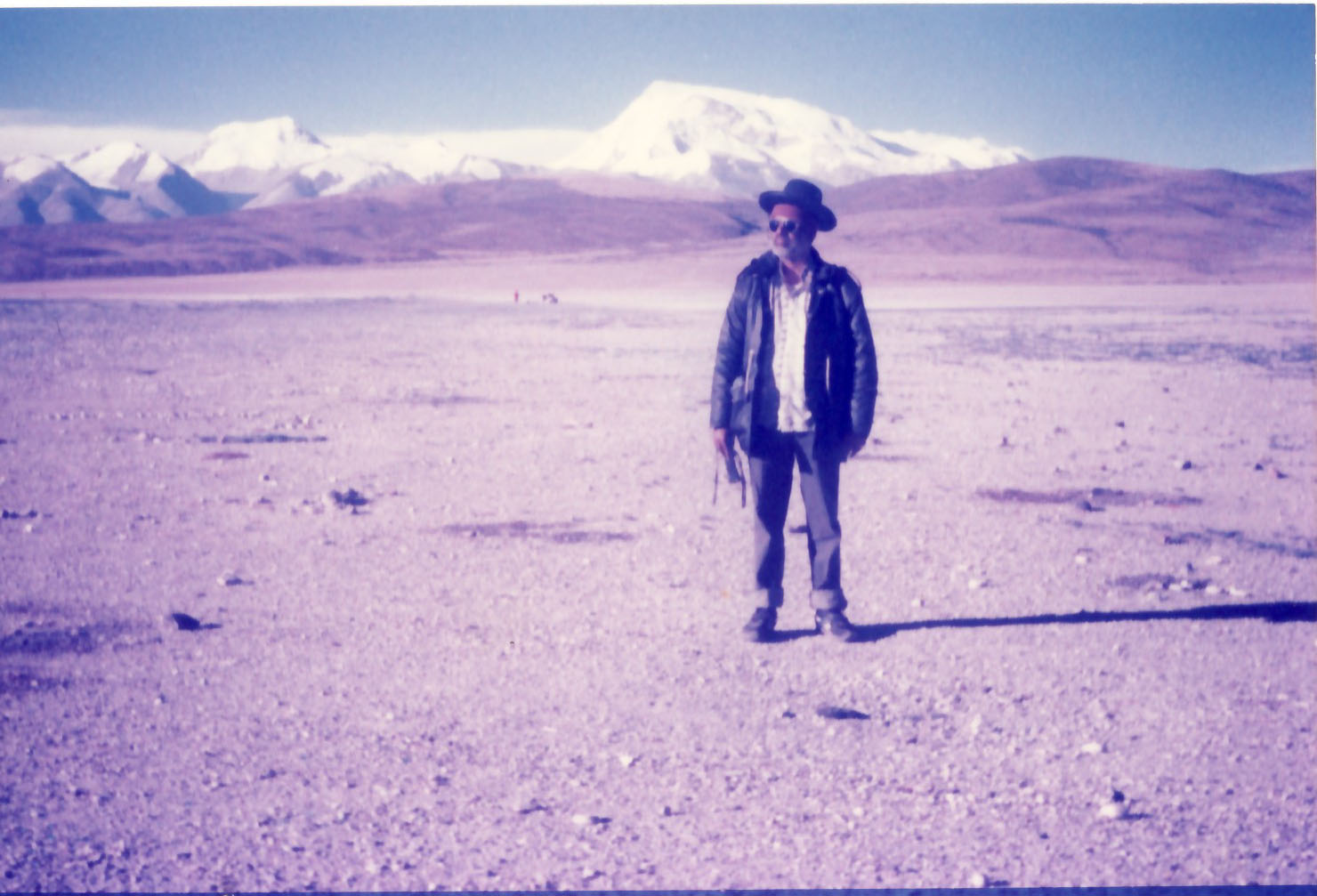
The first day of the Manas Sarovar Parikrama, you will have to walk approximately 40 to 45 kilometers. It started in the morning before sunrise. This Parikrama is done on the banks of the Manas Sarovar. Horses can be found there. Manas Sarovar is located at an altitude of fifteen thousand feet and about forty kilometers west of Mount Kailash. Manas Sarovar is the highest scenic natural lake in the world. Its creation is connected to the brain of Brahma. It is believed that it was discovered by King Gurla Mandhata. The circumference of the lake is about 90 kilometers and its depth is 90 meters to three hundred feet and the eastern area is about three hundred and twenty square kilometers. Manas Sarovar and Rakshattal are connected by a natural Gangachhu canal. Four major rivers of North India-Karnali, Sutlej, Brahmaputra and Indus originate from this area. These rivers have to be crossed while doing the Parikrama. There are Buddhist monasteries along the road.
The water of Manas Lake is very sweet, as clear as glass. It is considered nectar. There is no pollution of any kind. That is why the bottom of all the houses looks like glass. Light waves keep rising. Their sweet sound keeps coming in that peaceful atmosphere. It is very hot here in the afternoon; due to which our skin turns black but at the same time there is a cool breeze. From the camp of Hore in the morning, we crossed Seralung and Yerango monasteries on the western bank of Manas and reached the camp near Tugo monastery for the night.
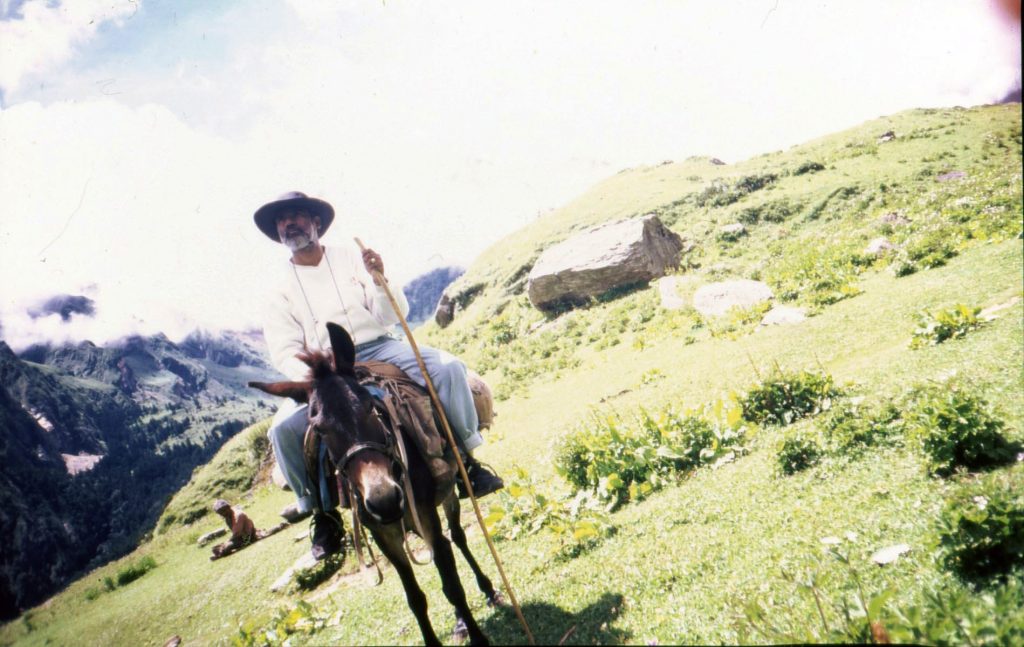
The distance on the second and last day of the Manasarovar Parikrama is thirty to thirty-five kilometers. Sunrise occurs early in the morning. The sun rises from the water of Manasarovar. Its reddish effect spreads over all the water. Also, redness spreads everywhere in the sky. As the sun starts rising, the color of the water of the lake changes dramatically. White, grayish clouds keep running. The appearance of all these sunrises is as unique as the sunrise of Kanyakumari, the sunrise of Darjeeling or any other such famous sunrise.
Fortunately, my video camera captured the sunrise very well. During this journey, birds of very different colors, shapes, breeds, and sizes were seen in the water. I saw a pair of very large golden birds. I had heard from the poem Naladmayanti that swans live in Lake Manasarovar. But we did not see them. I learned that they migrate because they cannot tolerate summer. Some beautiful flowers were also seen. Many fish were seen at one place on the road. It was a bit of a swamp. Today, we saw the western side of Mount Kailash and the entire Mount Kailash. Its different appearance was seen. From this distance, Kailash looks like a ram’s mouth. The eye that was seen towards the north looks like a nostril from here. The upper part looks like a nose, the forehead looks like a head. The shape of a trident was also seen. The sight and circumambulation of Lake Kailash Manasarovar is considered very sacred. People of four religions believe in this. Bonpa means Tibetans consider Kailash to be a nine-storeyed swastika; and consider it the abode of Daimchauk and Dorje. Hindus consider Kailash to be the abode of Lord Shiva. Buddhists consider Kailash to be the abode of Buddha and Manipadma. Jains believe that their first Tirthankar, Rishabhdev, attained Nirvana on Kailash.
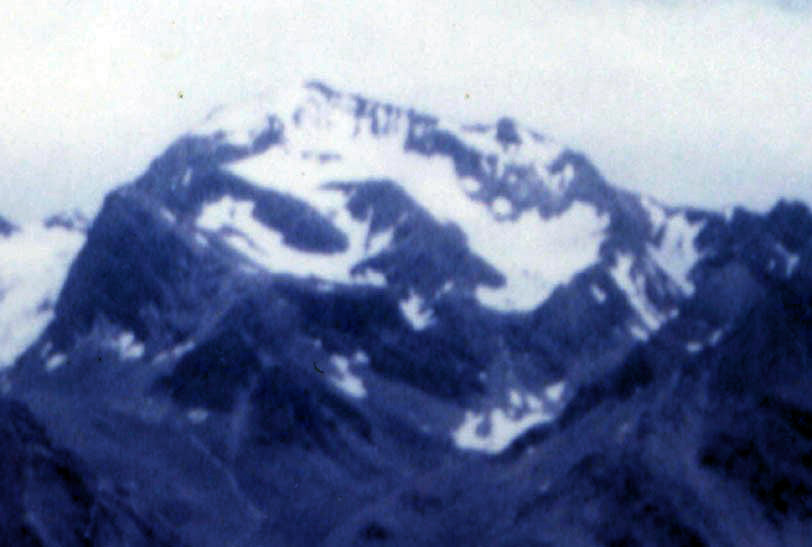
In winter, from October to April, the Kailash and Gurla Mandhata mountain ranges become completely covered with snow. Not only this, Manas Sarovar also freezes completely. That is why June to September is the season of pilgrimage. The next day, after having darshan of Kailash and Gurla Mandhata, one circumambulates the banks of Manas Sarovar and reaches Zaidi’s camp. The banks of this camp are full of small stones. Some see the body of Lord Shiva, some see Shri Ganesh, some see the idol of Shiva entwined with a snake; and some see a trident. Many Shaligrams are found here. The Kailash-Manas area is called the land of gods. Therefore, the entire atmosphere here is considered very sacred.
While circumambulating Kailash, we go through the far side of the mountain. It is said that no one can set foot on this mountain. Those who have tried have never returned. We cannot defile the abode of Lord Shiva by touching it with our feet. No matter what anyone says or believes, the lower part of Mount Kailash is a sheer cliff on all sides, making it impossible to climb it. Some liken Mount Kailash to a palace. They also say that the chants of Om Namah Shivaya can be heard in the silent silence of the night. Some see the Trishul rising from Manas Sarovar, while others have a vision of Goddess Parvati.
While walking on the road, it feels like a fragrance wafting from our surroundings. It is said that the fragrance means that some sage or god is passing by. None of us saw any of this. This feeling must be due to low oxygen supply. The scientific reason for this is also known as hallucinations. One thing is certain, the reflection of the clouds above changes the color of the water of the Manas Sarovar; and the play of these colors that changes moment by moment is very enchanting. We saw a replica of the complete Om in the water in the morning. The reflection of Kailash was also seen in the water of the lake.
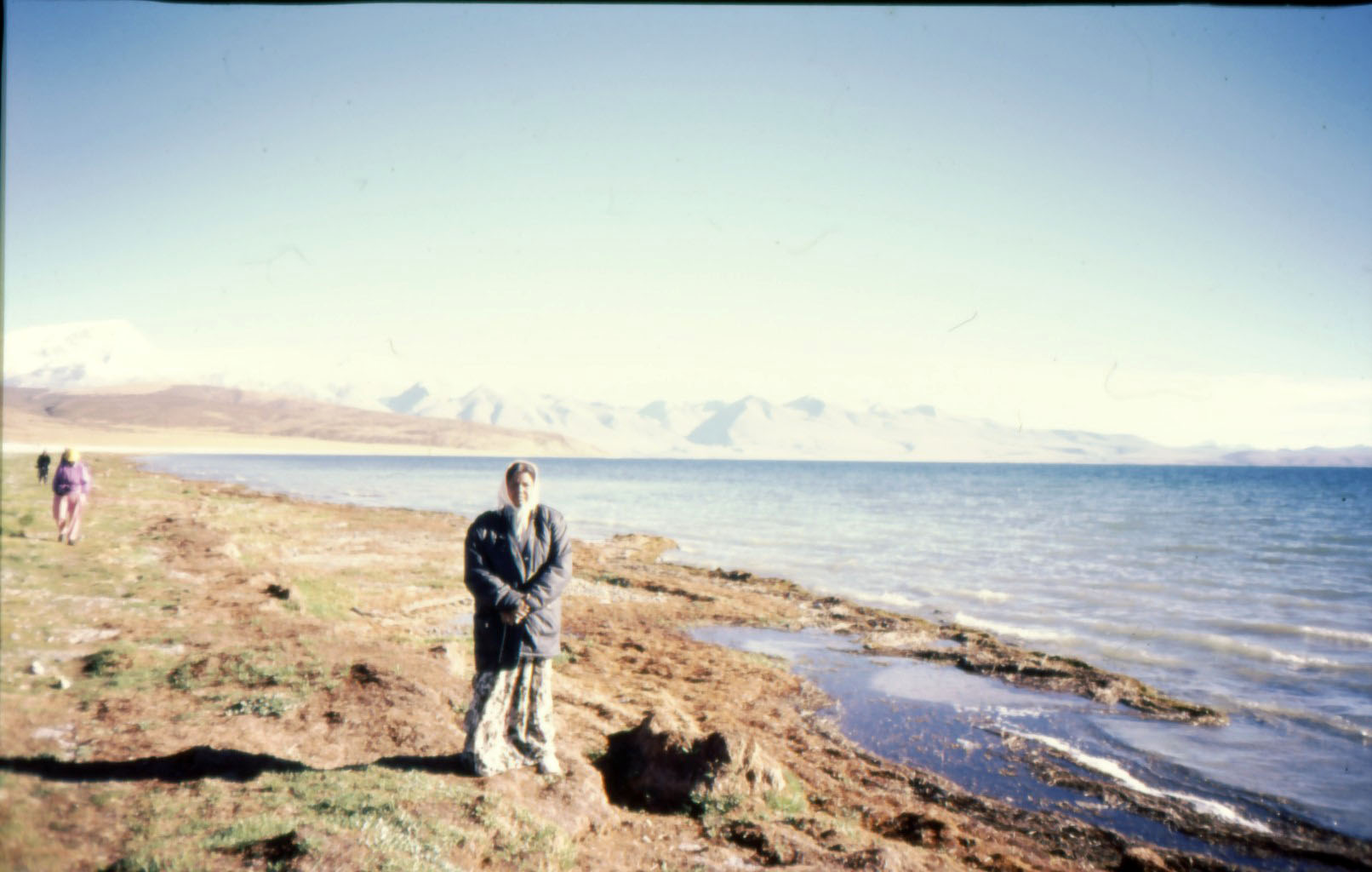
Manas Sarovar is also called Brahmasar as it was created by Brahma. When three saints Sanak, Sanandan and Sujat were worshipping Lord Shiva on Mount Kailash, there was a twelve-year drought. The surrounding water streams dried up. They had to go to the very long Mandakini river for daily bathing and worship. So they worshipped Brahma and as a result of their penance, Manas Sarovar was created. While going along the road, Hanuman cave comes across; they also have darshan there. It is believed that Hanuman lives there. Some people have also had darshan of him. Some say they have even taken his photos. We did not have any experience. We just went to the cave and came back. There is an area of one kilometer there. There is a Nepali Brahmin on the banks of Manas Sarovar, where Dakshina is taken, Havan etc. are performed and on every stone there are images of Shankar Ganesh and Shaligrams. Wherever we put our feet, we brought stones to that stone. From there, every small stone has an image of God on it, and the entire area is made up of those stones.
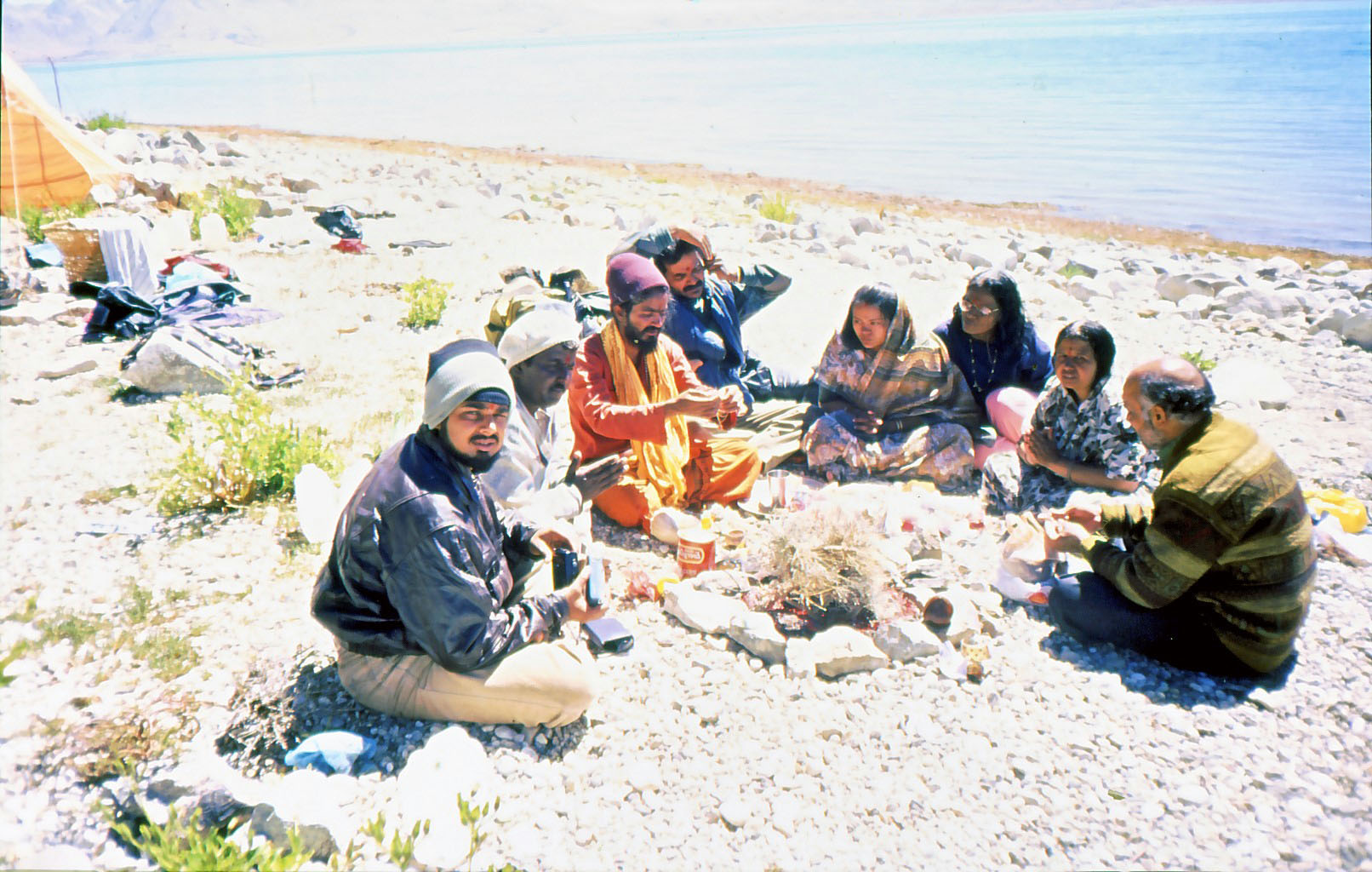
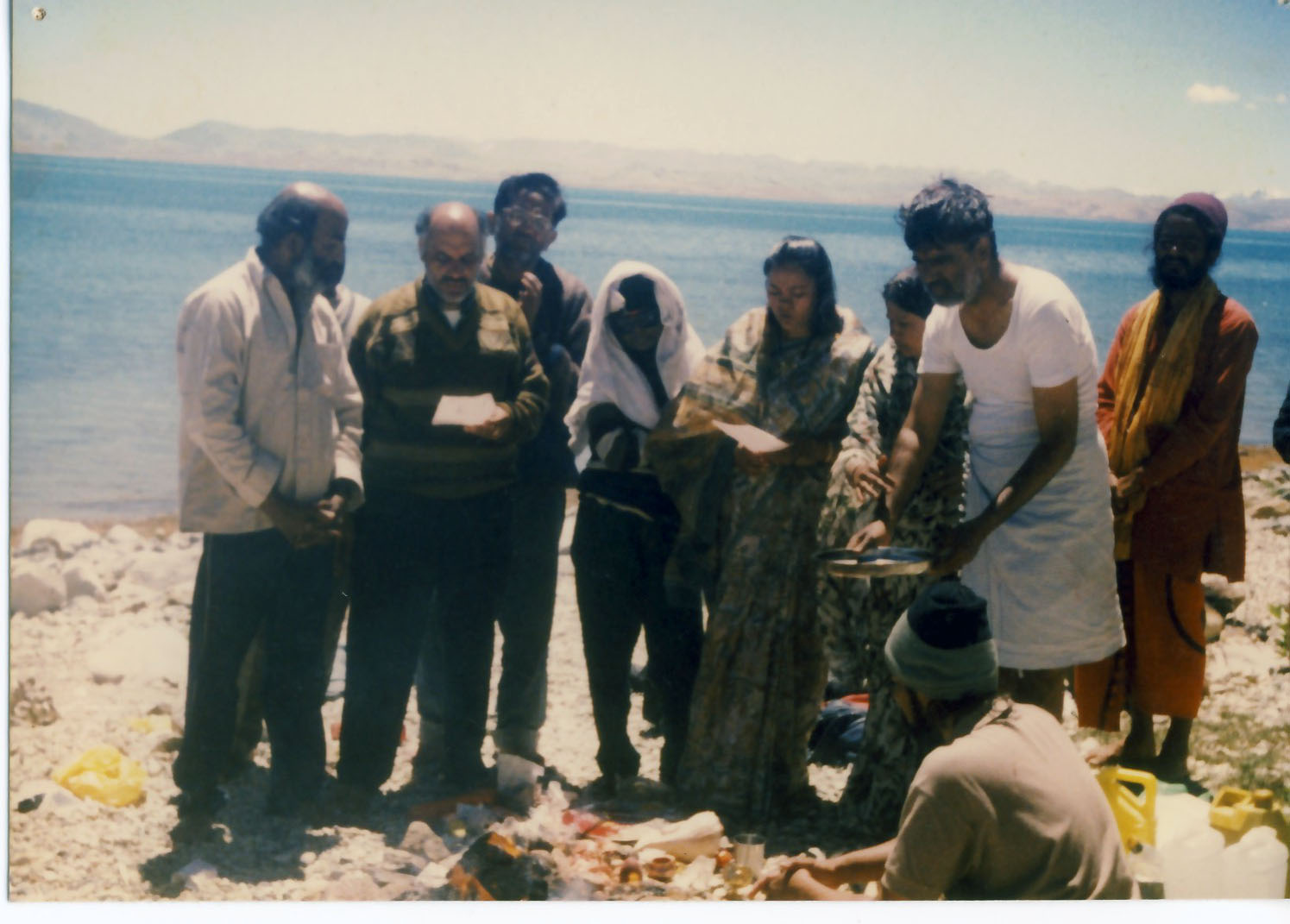
Today we all went for a bath in Manas Sarovar. The water was ice cold, as soon as we stepped into the water, it felt like our feet disappeared below the knees. Then we rubbed mustard oil all over our bodies, massaged them a little, and took a dip in the water, chanting the name of God. We filled the cans of the holy water. We had also brought the holy water of Gaurikunda. We offered tarpan to our ancestors. After seeing Kailash, everyone performed the ritual Havan-Puja on the banks of Manas Sarovar. The journey was successfully completed. Today is a day of rest!
Today is Guru Purnima. The bus carrying the ‘B’ group of Kailash Parikrama from Darchen Camp came to our Zaidi Camp. We were accompanied by a principal from Tamil Nadu. On the auspicious day and occasion of Guru Purnima, we worshipped him on the banks of Manas. Both the groups performed Havan Puja again and with a very full heart, thanked God for the successful completion of both Kailash and Manas Parikramas; with His presence in our hearts, we set off for the Taklakot camp. While having the last darshan of Kailash, tears were flowing from our eyes. The sorrow of the separation from our dearest loved one was in our hearts. What is the guarantee that we will ever see Kailash again in our lives? This will be possible only when God calls us again. We stayed at Taklakot for the night.
I went by truck to visit Khojarnath Math in Tibet. There is a very beautiful temple of Ram-Lakshman-Sita in Tibet. This temple was built in memory of the three of them stopping here while going to Kailash. I visited it and returned.
Today is the last day. Tomorrow morning we will leave for India. Today we completed all the customs formalities and handed over our luggage. Some of us went to the market to do our last shopping. We can find sweaters, windbreakers, shoes, mats, etc. at a very good price. We had a campfire at the guest house on the last day. The guide and the Chinese staff of the guest house also participated in it.
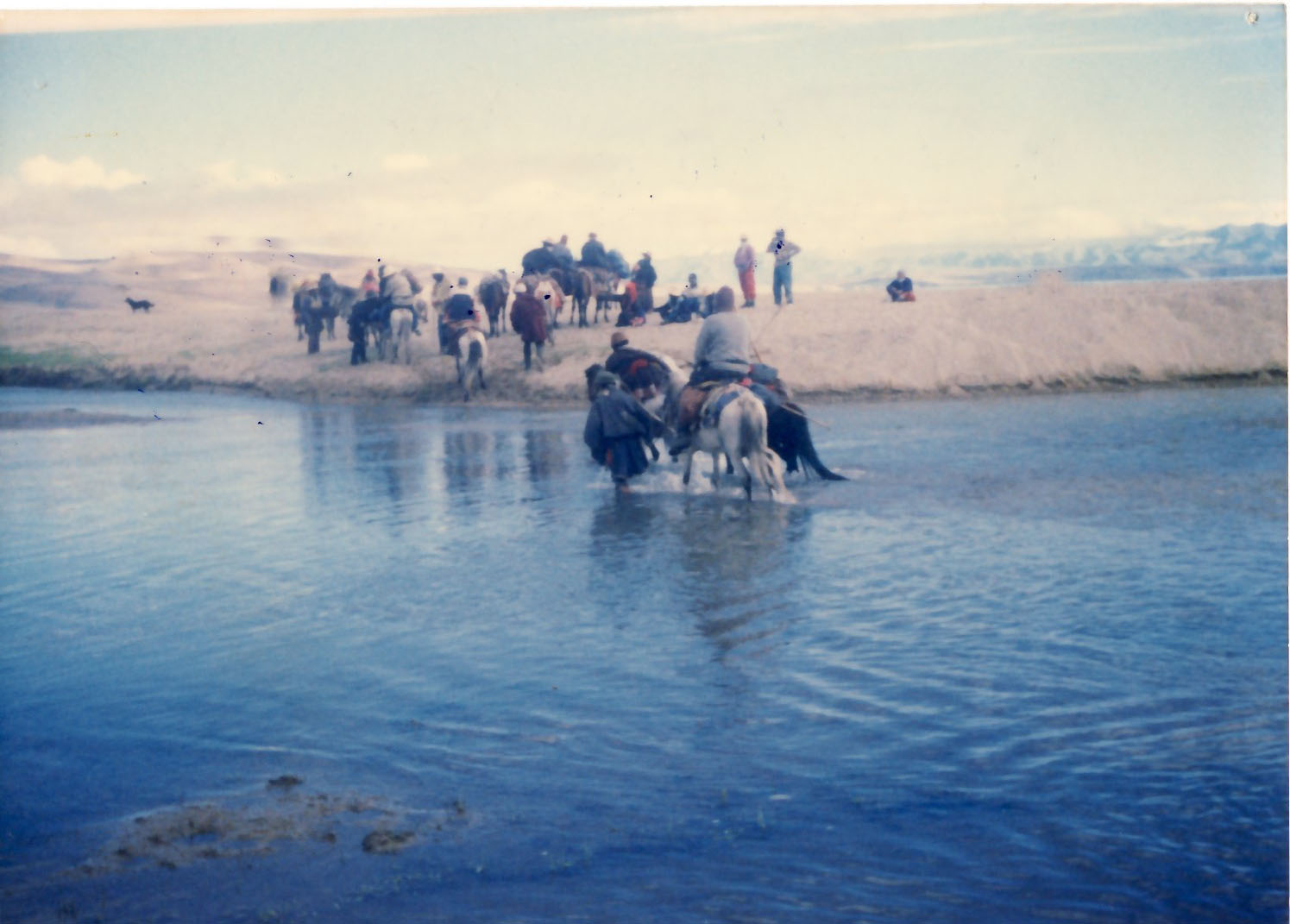
Right before sunrise, we left for Lipulekh Pass by bus. After a horse ride, then a walk on snow, we reached the border of India. The same thing happened on the way back…. From there, the next batch of people were coming to China and we were going to India. We met our first horsemen, porters, doctors, soldiers. We hugged. The joy that our journey was successful was visible on our faces and the joy that they contributed to our success was visible on their faces. After chatting a lot, we reached Navidang. But now, we could not find Om Parvat even after searching for it. We did not even realize its existence as it was hidden behind the clouds. How lucky we were that Om Parvat had given us a glimpse of us all day long on the way back. Now, on the return journey, we had to cover almost double the distance in one day, avoiding each camp.
Took the photo rolls that were deposited at Navidang; had lunch and went to the next camp, i.e. Kalapani for the stay. The total journey was 16 kilometers. Today’s entire journey from Taklakot to Lipulekh and Navidang to Kalapani was a very long journey, but I didn’t feel it because I was satisfied with the return journey. The many waterfalls that I saw on the way had now disappeared. Some new waterfalls seemed to have formed.
Kalapani to Gunji. We collected the luggage deposited at Kalapani. We reached Gunji. There, the customs checking of the Indian side took place. We greeted the military doctors and soldiers and bid them farewell. Four former PRD soldiers, doctors, wireless etc. started accompanying us on our onward journey from Gunji.
The total distance from Gunji to Budhi is about thirty-one kilometers. We had to walk a lot today. We had to take food to Budhi and go to the next camp, Malpa, without stopping there. There were new landslides between Budhi and Malpa. That 14-kilometer journey was very difficult. It was evening. It was dark and traveling on such a road. It was difficult for everyone.
The journey from Malpa to Gala was the same under the waterfalls. The landslide that had made the journey through mud had now hardened and become a nice road.
From Gala to Sirkha to Pangu, we still had to avoid one camp and reach the next camp. It was 24 kilometers on the way back, and the downhill journey was very difficult. We couldn’t ride a horse. It was night before we reached Pangu after having lunch at Sirkha. It was raining. The road was slippery.
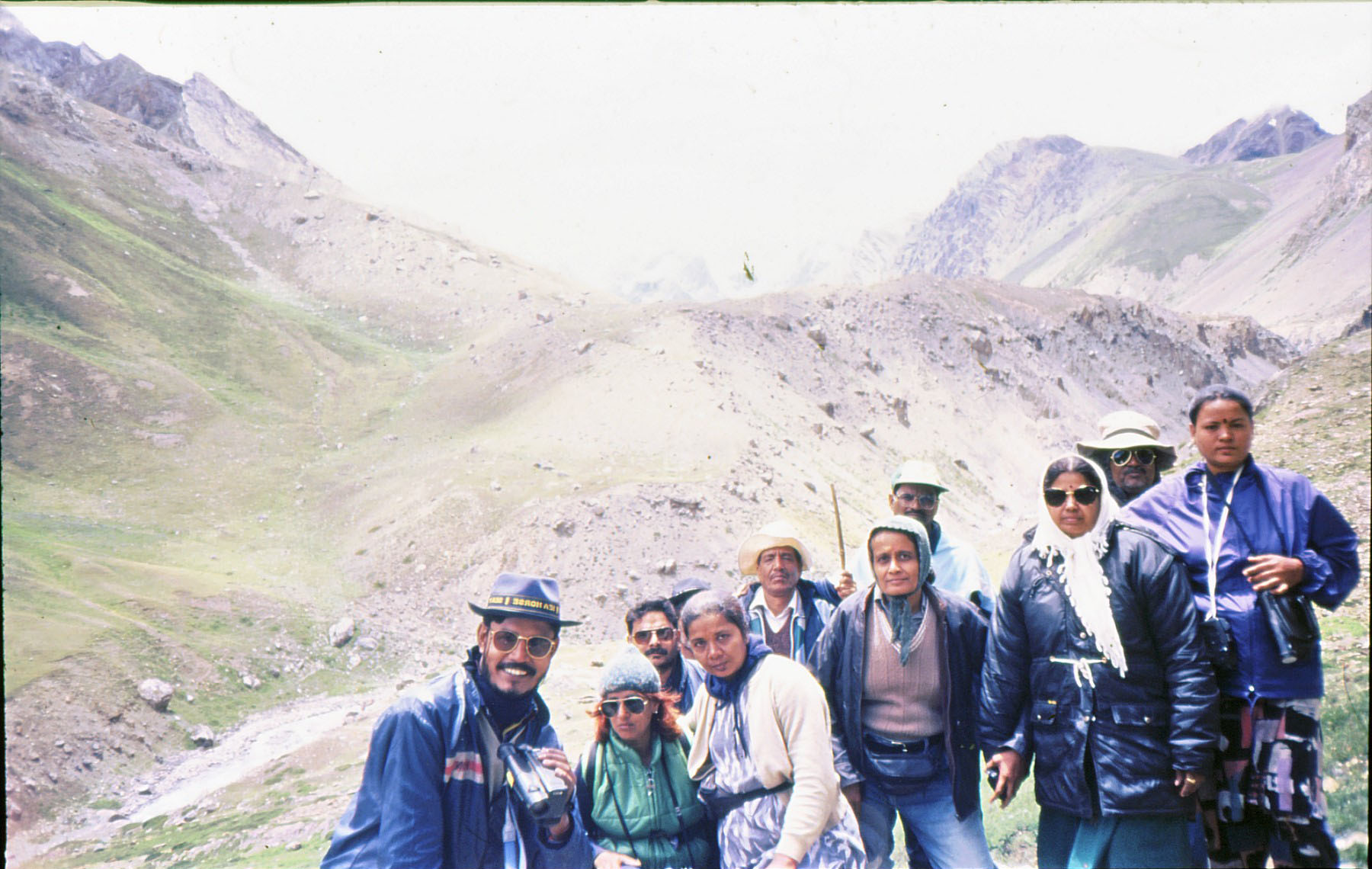
Pangu to Tawaghat to Dharchula. We left Pangu in the morning and climbed the Thanedharki hill and reached Tawaghat. The horsemen and porters left there. We reached Dharchula by bus. It was very cold when we arrived, but Dharchula felt very hot. Because we had now come down from the Himalayas. The body had become tough due to the daily changing climate for a month. All the men had grown beards. Everyone had lost seven to eight kilos in weight. The pants were tied with some kind of belt.
This entire journey was so difficult, arduous, and physically demanding, but no one ever felt like they had made a mistake or thought, “Come on, let’s not go any further, let’s go back home.” Because the focus and the only goal were to see Kailash.
The whole journey was over. When we reached Dharchula, we had a mare, Lali, while we were going, we later learned that her leg slipped and she fell into the valley and died. While coming, our luggage fell into the valley; but while falling, my rolls were saved. By the grace of God! Otherwise, I would not have had anything. When we returned, we distributed many things. Many people give while going, there is a lot of poverty there. Those who do not ride horses are not allowed to sit on horses even if they need to. Horsemen mean that if we say, let them sit instead of me, they do not let us sit. Dr. Shinde’s leg was injured. He needed a horse but he did not get a horse; because he had not ridden a horse before. There was a twenty-three-year-old boy who completed the entire journey; but in the end he suffered a lot. However, he did not get a horse then either. Once, when Shamu was kicked by a horse, she was in mortal pain.
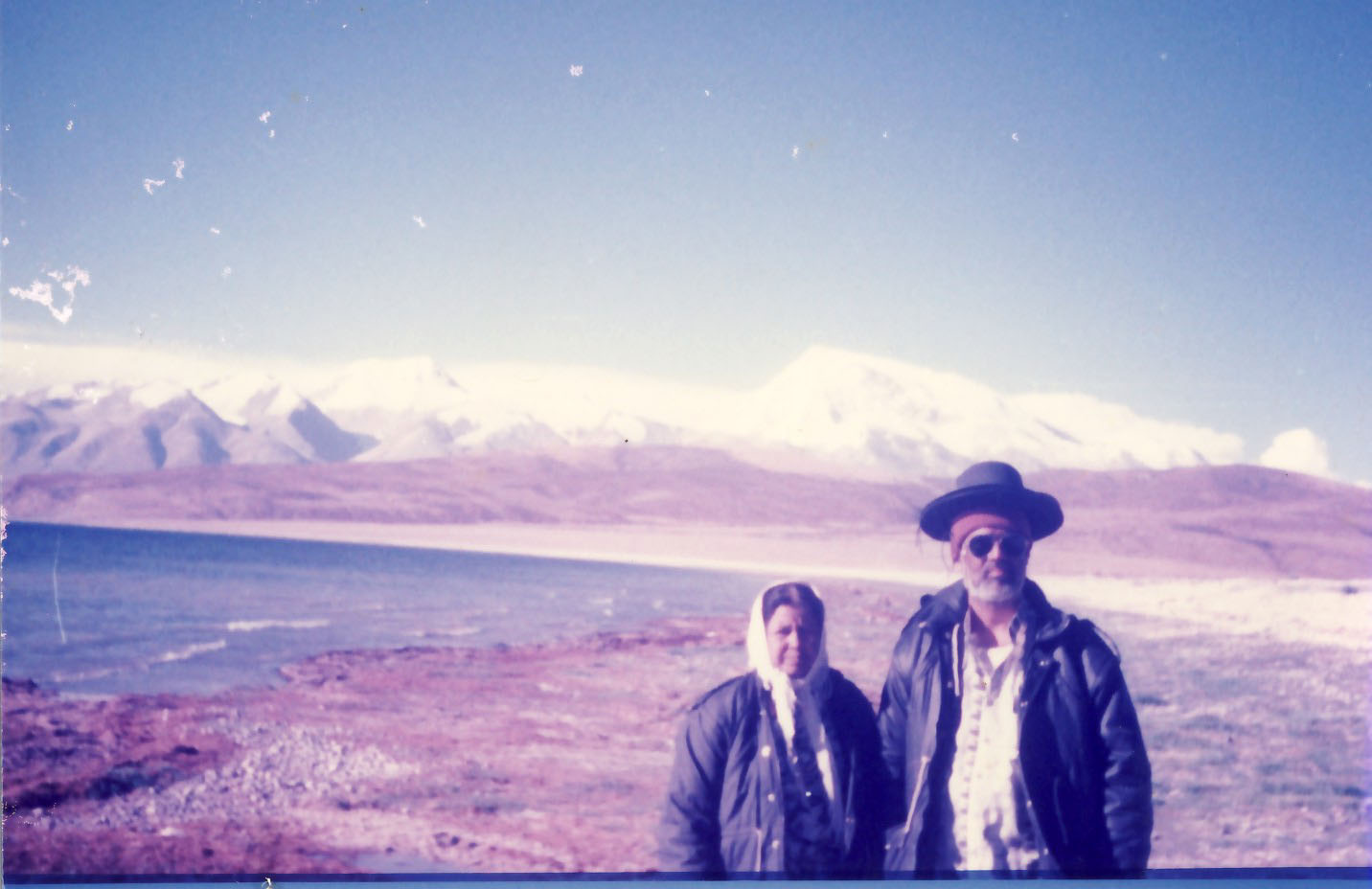
Traveled by bus from Dharchula to Almora. On the way, we took a little detour and visited a place of Lord Shiva called Patal Bhubaneswar. This place is completely underground, 52 feet below ground. The entrance to it is through a cave like a tiny pipe. The rain had made the place very scenic. We had to gallop. After reaching Kailash, which means heaven, we went to Patal. There are various Puranas below. There are replicas of Badrinath, Kedarnath, Amarnath in one place. There are also replicas of the four ages. There is a statue of Lord Shiva and a miracle happened there. A small dwarf (Batu) appeared in front of me with his head open. He gave me a jug of water and Shamu and I performed ablution there. Then the boy disappeared! That is, Lord Shiva had actually come. He gave me darshan; he performed ablution from my hands and this happened only to us. And what a coincidence that day was Shravan Monday. We reached Almora late at night.
We left Almora for Delhi in the morning and reached ‘Hotel Ashok Yatri Niwas’ at night. Friends and relatives had come there to welcome the pilgrims. The people who had come to welcome their loved ones were literally crying with joy, hugging them and bowing down to the pious souls.
We reached Delhi a day early; but since we had already made our return reservations for Nashik, we rested for a day in Delhi. We left at 11 am and reached at 12 pm. The people who came to pick us up at the station did not recognize us; because we had grown a beard, our body had become thin due to weight loss, our complexion had turned dark, our cheeks and lips were chapped, how would they recognize us?
Brief information about this trip is as follows:
The yatra was closed from 1959 to 1981. The first leg was completed in 1981. A total of 14 to 16 batches go every year. Each batch usually has thirty to thirty-five people. That is, around four hundred and fifty people go from all over India. The total distance from Delhi to Kailash is 865 kilometers, including the Parikrama, and the total journey on foot and horse is approximately 300 to 400 kilometers.
Routine-Wake up at 5:30 every morning. First, have a bed tea, after finishing everything, have a tea breakfast with a big glass of Bonvita, do aarti to God and make a daily call and start the journey. The clothes on the way out were like this- a simple banyan, a woolen banyan on top, a shirt on top, then a half sweater, a windbreaker on top, a full raincoat, simple socks on the feet, woolen socks on top, woolen pants on top, ear caps on the head, a wedding hat and gloves in the hands; a stick in the hand, as if going to war. Once the journey begins, one by one the clothes on the body start coming off. Because in such extreme cold, sweat starts flowing from the inside and only the shirt and pants remain on the body until reaching the camp. Upon reaching, one is welcomed with rasana or a similar cold drink. Lunch is poli bhaji, pickled papad, rice-dal, evening tea-biscuits, namkeen etc. A big glass of soup before dinner. Dinner includes poli, vegetable pickle, papad, dal rice and a sweet kheer, gulab jam, rasgulla etc. Completely vegetarian food. Small hotels along the road at the right place, i.e. at the right time and place when tea is served after the ascent or descent.
The employees of Kumaon Mandal Vikas Nigam are filled with the spirit of serving the pilgrims and are ready to help them in a very friendly manner. ITBP jawans, children and old people who meet us on the road, small villages and villages welcome us on our journey. They greet each other with the mantra ‘Om Namah Shivaya’. After completing the journey, some devotees, old people and young people, fall at our feet on the return journey. On that journey in the Himalayas, everyone considers us as holy souls.
Our personal experience is that this journey is not easy for us. It is God who makes this difficult and arduous journey possible for us. Even when we face death a hundred times a day, all physical suffering is forgotten only by the sight of Lord Shiva; by his inspiration. Since the sight of Kailash is an emotion from the first day, even if we feel the physical hardships of the journey until we reach there, they are forgotten in front of the name of God. With the sight of Kailash-Manas, we feel that life has become meaningful.
We were told that the travel cost from Delhi to Delhi was 36000 each; when we reached Delhi, it was reduced by 7500. Because the government provided assistance. This year, 1997, the cost was only 25 thousand rupees. The Gujarat government pays the expenses of its pilgrims to go to Delhi; provides accommodation at a nominal rent in Gujarat Bhavan in Delhi and encourages the pilgrimage. Government employees are granted leave for the pilgrimage. They get a passport even for the pilgrimage. Physical fitness and willpower are two very important things. May Lord Shankar give everyone happiness and peace !
–
Mr. Avinash Shirode
Engineer | space messenger